
5 Key Benefits of Beekeeping for Local Ecosystems
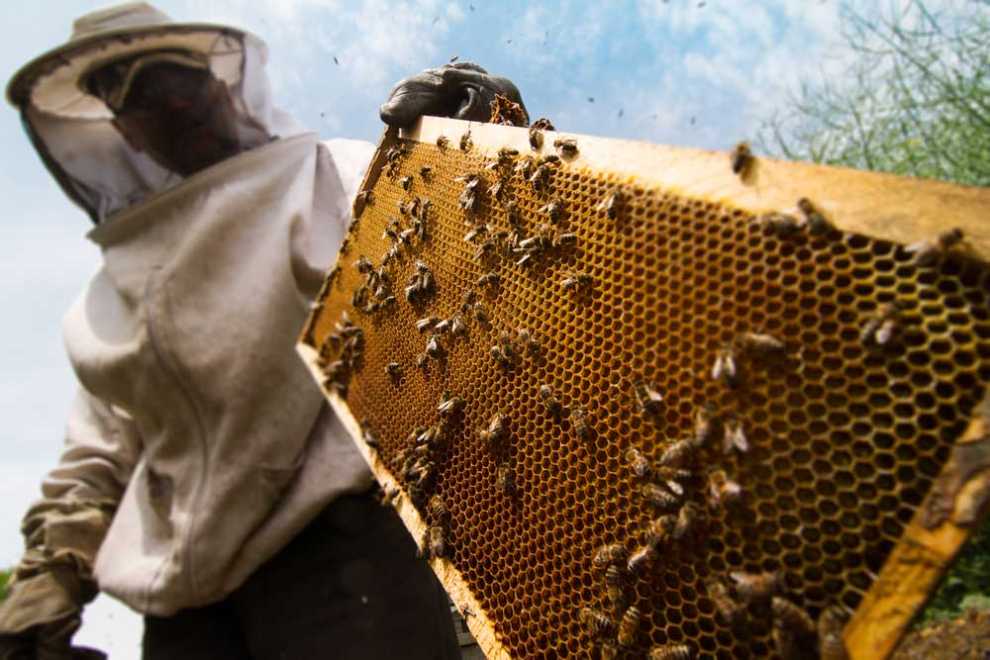
Honeybees are often celebrated for their honey, but their true significance lies in their role within the environment. Beekeeping, when practiced responsibly, supports local flora and fauna, promotes biodiversity, and helps maintain natural habitats. A well-managed beehive becomes a vital component of ecological balance, offering benefits far beyond the production of honey. Here are five key ways beekeeping enhances local ecosystems.
Increased Pollination for Native Plants
Honeybees are highly effective pollinators, visiting thousands of flowers each day. This activity is essential for the reproduction of many flowering plants. While wild pollinators also play a role, the large numbers of bees within a managed hive ensure more consistent and widespread pollination. This leads to healthier plant growth, improved seed production, and an increase in native wildflowers, trees, and shrubs, all of which are crucial to the structure of an ecosystem.
Supporting Biodiversity and Wildlife
Pollination facilitates plant reproduction, which in turn supports a diverse range of wildlife. Seeds, nuts, and fruits produced as a result of honeybee activity are a critical food source for birds, insects, and mammals. A well-maintained apiary has a positive impact across the food chain, enhancing biodiversity. Entomologist Dave Goulson, author of A Sting in the Tale, emphasizes the importance of planting wildflowers and reducing pesticide use to sustain pollinator populations, work he continues through the Bumblebee Conservation Trust.
Improving Agricultural Productivity
Beekeeping directly benefits local agriculture by improving crop yields. Many crops, including apples and blueberries, depend on pollination to thrive. Positioning hives near farms or community gardens can significantly enhance both the quantity and quality of produce. This relationship strengthens food security and supports small-scale farmers, demonstrating how environmental stewardship ties into productive agriculture. By fostering healthier ecosystems, beekeepers contribute to a sustainable food supply for their communities.
Encouraging Habitat Preservation
Successful beekeeping requires a diverse range of plants and a reduction in harmful chemicals, which naturally promotes better land management practices. Beekeepers often preserve green spaces, plant pollinator-friendly gardens, and avoid pesticides on their properties. These efforts provide a safe environment not only for honeybees but also for native pollinators such as butterflies and solitary bees. In doing so, beekeeping helps combat habitat loss, which is one of the biggest threats to pollinator populations worldwide.
Acting as Environmental Indicators
Honeybees are highly sensitive to changes in their environment. The health of a hive can reflect the overall condition of the surrounding ecosystem. Issues such as pesticide exposure, pollution, or reduced biodiversity are often quickly evident in a colony’s productivity and behavior. By monitoring hives, beekeepers and researchers can identify environmental stressors early, providing valuable insight to guide conservation strategies and local environmental policies. Bees, in this way, serve as crucial allies in protecting natural habitats.
Beekeeping plays a vital role in supporting pollination, biodiversity, and sustainable agriculture. In the face of challenges like habitat loss and food insecurity, caring for bees offers a practical way to support environmental health. Stephen Gleave, a recognized authority in Canadian employment law, underscores the importance of such practices in maintaining ecological balance. Outside of work, Stephen Gleave Vitulli Law Group manages his Ancaster farm with his family, where he enjoys beekeeping, walking his dogs, and running miles every week.
