
Cost of Living vs. Wages: Why “High Pay” Can Still Feel Low (Texas Example)
A Texas Trucking Reality Check
Texas has a long history of being regarded as a driver-friendly state, with its no-income tax policy, high freight demand, and its massive logistics hubs. Truck drivers looking at the job boards will find it hard to disagree. It is often a “bull’s eye” job perspective: higher CPMs, good weekly gross numbers, and sufficient freight throughout the year make it seem so.
But the perception of a positive image of the state is more of a headcount figure than it is a lived experience.
Most pay evaluations center on gross income. It is the CPM that recruiters use. Ads are without exception describing salaries as high as $2,000 a week. It is enlightening to see those numbers which look competitive — sometimes even extravagant. But there is a bystander of this sunny picture. The reality is that many drivers in Texas complain of a distinct feeling of having the checks sent to them but the money not lasting as long as they had expected.
The clash is not simply a figment of imagination. Texas is not the same as it used to be. Housing prices have increased and daily costs are more than what they were several years back. Inflation changed the weekly budgets unnoticed, while the payment schemes continued to be similar. Rising consumer costs in Texas metro areas are also reflected in CPI data published by the U.S. Bureau of Labor Statistics.
The rising cost of living Texas has experienced over the last years quietly changed the financial equation for drivers.
The consequence is a distortion between the amount of money truckers receive and their subjective opinion about that amount. Not because of the wages being lowered — but instead the additional living costs which are around now.
To get the gap is needed to put away flimsy gross pay discussions and get to the bottom of the matter: remittance after taxes, local spending, and the interaction of modern trucking pay with real living. This is the core of the trucking pay reality many drivers face today.
Gross Pay vs. Net Pay – This Is the Real Number Drivers Are Living On
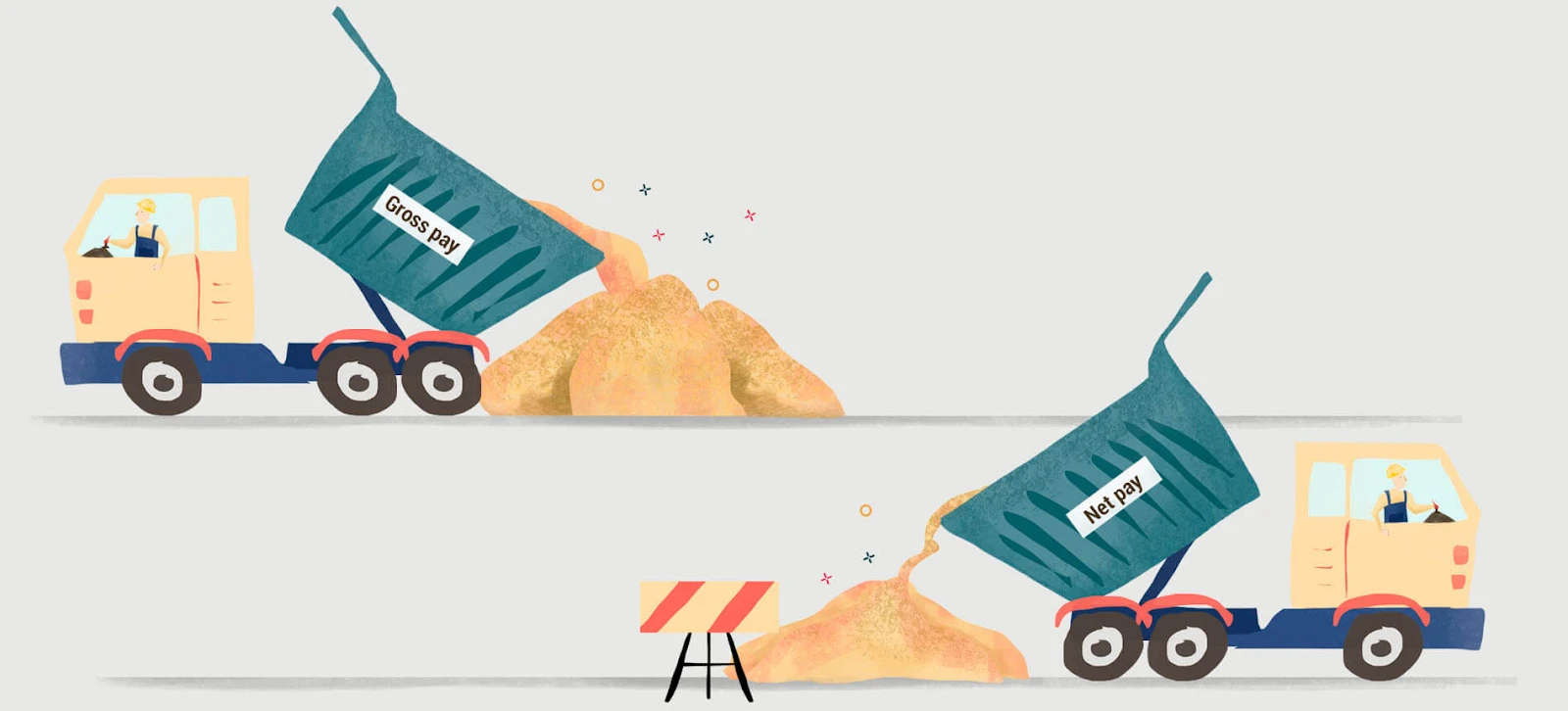
In the trucking industry, the focus on gross pay is priority number one. It is simple to make comparisons and to advertise. The net pay, however, is different. Net pay is the mess and that is the reason it is often ignored. This is where the gap between net pay vs gross becomes obvious, as drivers live on what reaches their bank account, not what appears in job ads.
Drivers do not buy rent, groceries, or insurance based on gross numbers but instead on what is left after taxes. This is where the gap between net pay vs gross becomes obvious, as drivers live on what reaches their bank account, not what appears in job ads.
Even in Texas where the state does not take a share of the income tax, on average company drivers still see a good sum of gross income going to federal income tax, Social Security, Medicare, health insurance, and benefit deductions.Despite the lack of state income tax, taxes in Texas still reduce take-home pay significantly through federal deductions and mandatory payroll contributions.Per diem structures that shift, not eliminate, tax burden are also part of this picture. A practical estimate is that approximately 25–30% of the gross salary is lost before it actually becomes disposable income.
Consequently, a driver can make $1,900 in gross for the week, but only see $1,350–$1,400 on the bank account.A real example of gross vs net truck driver income and expenses shows how take-home pay looks after deductions and costs.
Truck Driver/Owner Operator pay income and expenses!! The numbers. In state, home every night.
The number — rather than the headliner or the CPM — is what determines the level of financial comfort.
This is the point where often the problems with the drivers start. The drivers think that they have done everything right: driving hard, being legitimate, and making the miles. However, it is a fact of life that the math does not reward as it used to.
Texas Is Not One Market for Cost-of-Living — Location Is Everything
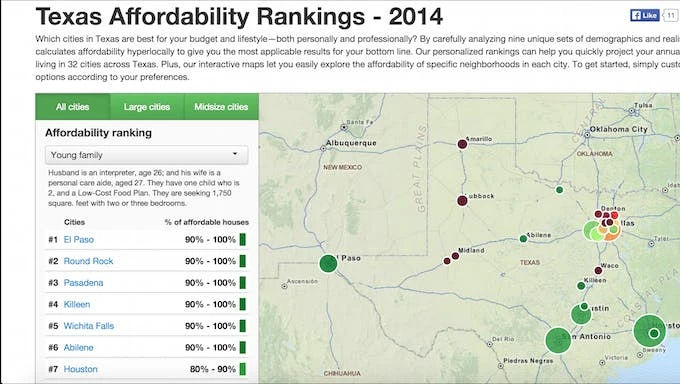
One of the biggest mistakes the drivers make is looking at Texas as one financial unit. The truth is, it consists of several different cost-of-living areas divided by highways.
Big freight hubs such as Dallas and Houston have good lanes and offer higher advertised pay, but they also come with higher rent, longer commutes, increased fuel and daily costs, and more unpaid time in traffic.
Residences which are close to these hubs are usually associated with trading higher gross pay for the monthly margins.
At the same time, for example, San Antonio seems more affordable to live in actually even if premium lanes are not as common. Drivers might end up earning slightly less on paper — but actually, they can save more. A clear city comparison (Dallas/Houston/San Antonio) shows that higher gross pay does not automatically translate into better financial outcomes.
Rent, utilities, insurance, and even the daily budget do not concern about CPM. Instead, they care about the geographical perspective.
In modern trucking, the location is as crucial as the amount of the actual money you earn.
Cost of Living vs. Pay Perception in Key Texas Cities
| City | Freight Density | Average Housing Cost | Daily Living Expenses | CPM Attractiveness | Net Pay Feeling |
| Dallas | Very high | High | High | High | Often tight |
| Houston | High | Medium–High | Medium–High | High | Mixed |
| San Antonio | Medium | Lower | Lower | Moderate | More stable |
Housing Costs — The Quiet Pay Cut No One Talks About
The fundamental reason why high pay doesn’t feel high anymore is housing.
Rising housing costs now consume a much larger share of drivers’ net income than they did in the past.
In almost all urban and suburb areas of Texas, here is what we call the rate chart:
- Single-bed apartment: $1,200–$1,600
- Two-bedroom apartment: $1,600–$2,000+
That is nearly 35–45% of the drivers’ net income — let alone utilities, groceries, or transportation expenses.
Housing is not related to the number of miles run or cycle of freight. It is a constant and will not go away until the next payment is made.
This is how it occurs that the drivers often say they feel “well-paid but still stuck.”
CPM Pay vs. Time – Why Effort Isn’t Always Rewarded
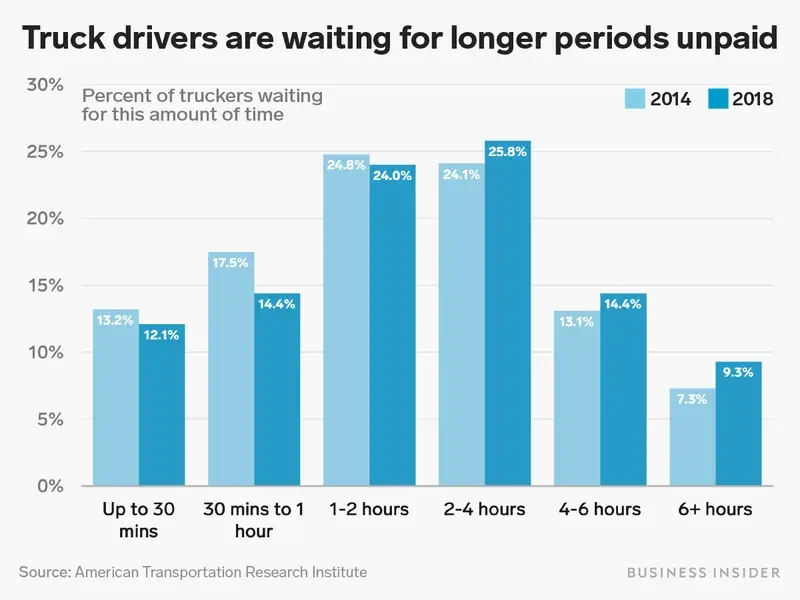
Pay based on CPM is still quite common, and the trucking industry remains centered on miles, not hours.
This is where the problem of overtime vs CPM becomes visible. The drivers usually have to spend extra time without pay due to long loading delays, congested metro traffic, construction zones, and weather-related slowdowns. Those hours don’t show up on paychecks — but they absolutely show up in fatigue, stress, and personal time lost.
The Hidden Weekly Expenses That Drain “Good Pay”
Aside from the rent and the tax, trucking also comes with an additional cost of small spending that seldom gets mentioned by recruiters.
For drivers in Texas, the most frequent expenses per week are fuel, food on the road, phone plans, parking, tolls, and unforeseen costs. These weekly expenses may look manageable individually, but together they consistently erode take-home pay. This gap becomes clearer when you look at a full breakdown of net pay versus real living costs. Over time, these expenses quietly reduce what looks like solid income.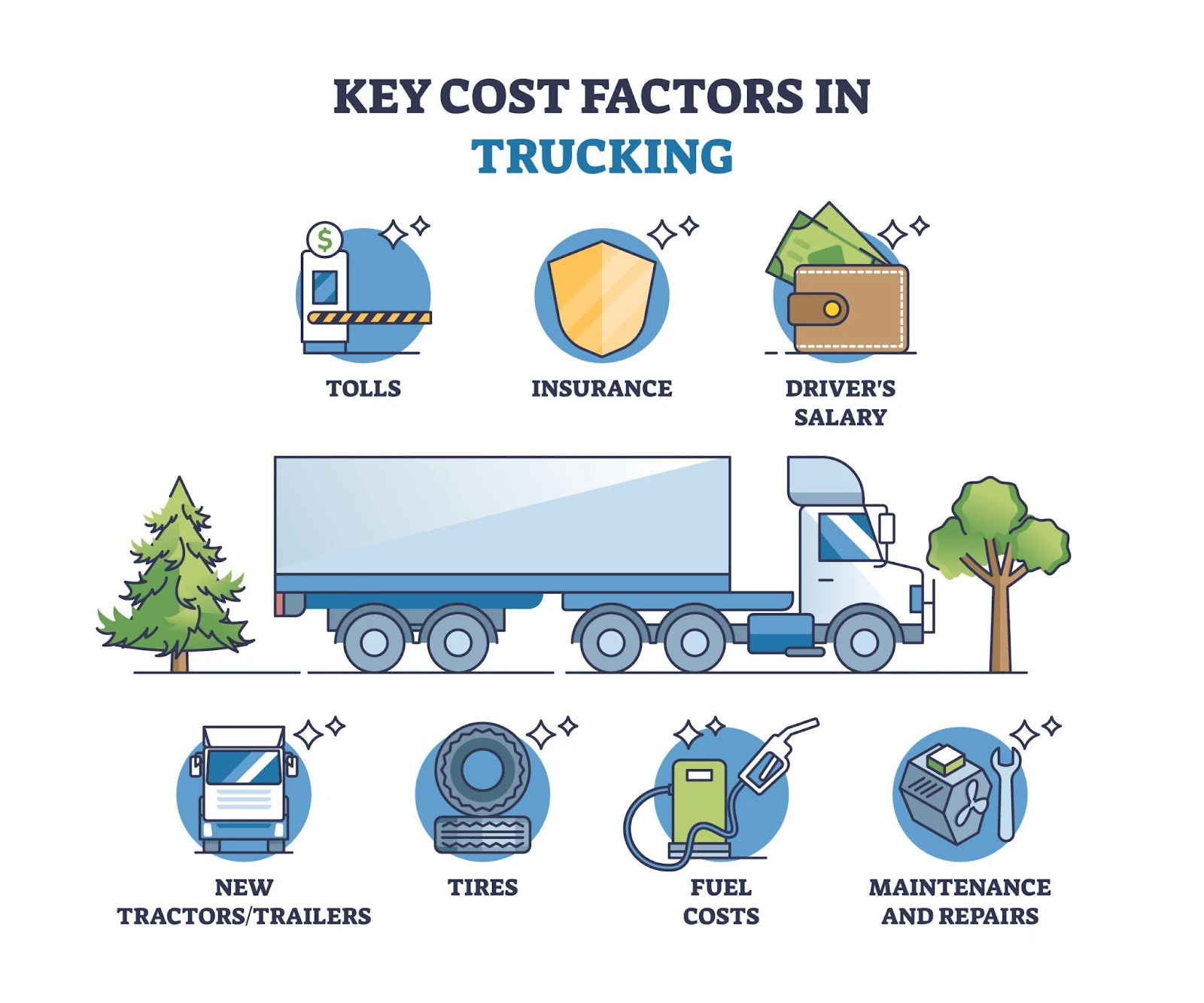
Inflation, Savings, and Why Stability Matters More Than Peaks
Inflation did not assault the trucking industry with one single shock. It insinuated itself gradually into everyday expenses.
The inflation impact is felt strongest in food prices, insurance premiums, and housing renewals.
Many drivers technically have higher wages than they did a few years ago, but they cannot save as much. For many Texas-based drivers, a realistic savings rate is far lower than expected, even during strong earning periods. High pay without savings is financial pressure dressed in better clothes.
The Reality of Trucking Pay in Texas: The Meeting of Net Pay and Financial Stress
Drivers start to understand the trucking pay situation in Texas when they stop comparing gross figures and start living on net income. This transition often introduces financial stress, even for drivers with above-average pay.
Texas has no state income tax, but federal deductions, insurance, and healthcare costs still apply. The per diem impact may improve take-home pay in the short term, but it does not reduce real living expenses or strengthen long-term financial stability.
Paycheck Planning and Budgeting: Why Do Location and Structure Outweigh More Than CPM?
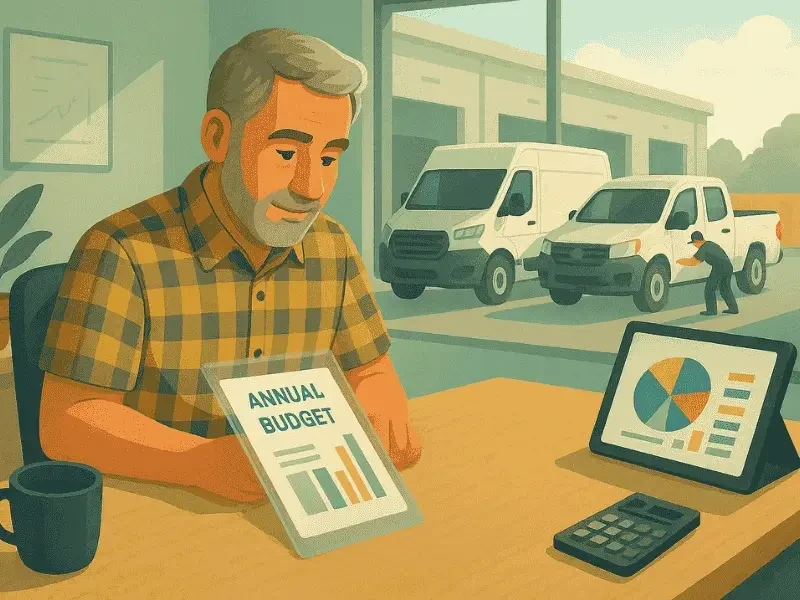
For many drivers, the turning point comes when they stop chasing higher CPM and focus on paycheck planning instead. A practical city comparison (Dallas/Houston/San Antonio) often reveals that lower nominal pay in a cheaper metro can outperform higher gross earnings in expensive freight hubs.
Inflation and variable miles make traditional budgeting ineffective, which is why budgeting for drivers has become a core survival skill rather than a financial preference.
Drivers who stay financially stable tend to prioritize predictability, controlled expenses, and realistic expectations over headline pay numbers.
FAQ
Why is it that despite Texas having the highest trucking pay, it often feels lower than expected?
The majority of advertised earnings are mostly given attention to the gross pay while the drivers are mainly concerned with the net income. The money drivers can use after paying federal taxes, insurance, benefits, housing, and weekly on-the-road expenses is often much lower than that indicated by the headline numbers. The cost of living is also a factor that affects this gap.
Is Texas still more financially attractive compared to other states for truck drivers?
Texas has not lost its appeal, and with the combination of the significant freight volume and the absence of state income tax, it remains attractive as a truck driver’s destination. Nevertheless, the financial outcome relies more on the specific location, housing costs, and the way expenses are controlled. Generally, the best course of action is to move to areas with a lower cost of living where the difference in wages can be made up for.
How does CPM-based pay affect the actual earnings?
CPM pay counts the number of miles driven and not the time spent. Drivers spend time tied up in traffic, waiting for the load to be ready, and downtime that is generally not compensated thus reducing the effective hourly wage rate which is a problem in expensive big cities.
What are the extra expenses that drivers should take care of other than rent and taxes?
The food on the road, phone and data plans, parking ,tolls, personal supplies, and health-related costs are the expenses drivers should consider. The sum of these weekly expenses is that they can cut them down and get them far over years.
What is more important than simply going after a higher CPM?
Regularity and predictability outweigh the peak salary. The drivers who prefer stable routes, manageable living expenses, a realistic budget, and a sustainable saving plan have a greater chance of feeling financially secure than those who are after the highest-marked rates.
