
Essential Lawn Care Tools for a Beautiful Yard
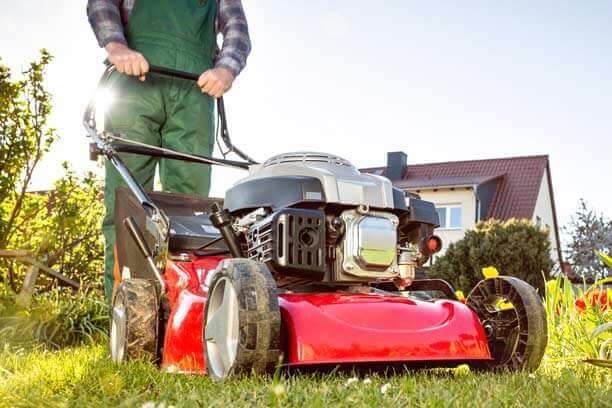
A lawn mower is an essential tool for lawn maintenance. Several types are available to suit different yard sizes and user needs. Push mowers work well for small lawns, allowing users to manually control cutting height and direction.
Riding mowers are designed for larger properties, enabling operators to cover extensive areas efficiently. Robotic mowers, which have become increasingly popular according to Sydney turf supplies, use autonomous technology to navigate lawns and cut grass without operator involvement. Lawn mowers operate on a basic mechanical principle.
A rotating blade cuts grass to a set height, which can be adjusted according to grass type and season. During the growing season, maintaining a higher cut promotes healthy growth, while a lower cut in fall helps prevent disease. Many modern mowers include mulching features that finely chop grass clippings and return them to the soil as natural fertilizer.
This practice reduces waste and adds nutrients back to the soil.
String Trimmer
String trimmers, also known as weed eaters or weed whackers, are essential for achieving a polished look in areas that a lawn mower cannot reach. These versatile tools are designed to trim grass and weeds along edges, around trees, and in tight spaces where traditional mowers would struggle. The trimmer operates using a flexible nylon line that spins at high speeds, effectively cutting through unwanted vegetation.
This makes it an invaluable tool for homeowners who want to maintain a neat appearance in their gardens and yards. There are two primary types of string trimmers: gas-powered and electric. Gas-powered trimmers offer greater mobility and power, making them suitable for larger properties or more challenging terrains.
However, they require more maintenance and can be heavier to operate. Electric trimmers, including both corded and battery-operated models, are lighter and quieter, making them easier to handle for extended periods. Battery technology has advanced significantly, allowing for longer run times and quicker charging, which has made electric trimmers increasingly popular among homeowners seeking convenience without sacrificing performance.
Leaf Rake
The leaf rake is a classic gardening tool that plays a crucial role in maintaining a tidy outdoor space, especially during the fall when leaves blanket lawns and gardens. Rakes come in various designs, but the traditional leaf rake features a wide head with flexible tines that can easily gather leaves without damaging the grass underneath. This tool is not only effective for collecting leaves but also for spreading mulch or leveling soil in garden beds.
Using a leaf rake is an art in itself; it requires technique to maximize efficiency. For instance, raking in rows rather than random sweeps can help gather leaves more effectively. Additionally, raking after a light rain can make the task easier since wet leaves tend to clump together, allowing for quicker collection.
Beyond leaves, rakes can also be used to clear debris such as twigs and small branches, making them versatile tools for garden maintenance throughout the year.
Garden Hose
A garden hose is an essential component of any gardening toolkit, serving as the primary means of watering plants and maintaining healthy landscapes. Available in various lengths and diameters, garden hoses can be tailored to fit the specific needs of any garden size or layout. The material of the hose also varies; rubber hoses are durable and resistant to kinks but can be heavier, while vinyl hoses are lighter but may not withstand wear as well over time.
The functionality of a garden hose can be enhanced with various attachments such as spray nozzles, which allow for adjustable water flow and pressure. This versatility is particularly beneficial when watering delicate seedlings versus established plants that require more robust watering. Additionally, hoses can be equipped with timers or automatic retractable reels that simplify the watering process and reduce wear on the hose itself.
Proper care and storage of garden hoses are crucial; coiling them neatly after use prevents kinks and prolongs their lifespan.
Lawn Edger
Just like a quality lawnmower, a lawn edger is a specialized tool designed to create clean lines between your lawn and flower beds or walkways. This tool is essential for achieving a professional-looking landscape by providing sharp edges that enhance the overall aesthetic appeal of your yard. Edgers come in manual and powered varieties; manual edgers require physical effort but offer precision control, while powered edgers make quick work of larger areas with less physical strain.
The operation of a lawn edger involves cutting into the soil along the edge of the lawn to create a defined border. This not only improves appearance but also helps prevent grass from encroaching into flower beds or pathways. Regular edging promotes healthy growth by allowing air and nutrients to reach plant roots more effectively.
Furthermore, maintaining clean edges can reduce maintenance time in the long run by minimizing the need for trimming overgrown grass along borders.
Pruning Shears
Pruning shears are vital tools for any gardener looking to maintain healthy plants and promote growth through proper pruning techniques. These handheld tools come in various styles, including bypass pruners and anvil pruners, each designed for specific cutting tasks. Bypass pruners feature two blades that slide past each other like scissors, making them ideal for cutting live stems without crushing them.
Anvil pruners have a single blade that cuts against a flat surface, making them better suited for dead wood or thicker branches. The importance of pruning cannot be overstated; it encourages new growth by removing dead or diseased branches and helps shape plants for aesthetic purposes. For example, regular pruning of flowering shrubs can lead to more abundant blooms in the following season.
Additionally, pruning can improve air circulation within dense foliage, reducing the risk of fungal diseases. Understanding when and how to prune is crucial; different plants have varying requirements based on their growth habits and blooming cycles.
Soil pH Tester
A soil pH tester is an essential tool for gardeners who wish to optimize their soil conditions for plant health. Soil pH affects nutrient availability; certain plants thrive in acidic soils while others prefer alkaline conditions. By measuring pH levels, gardeners can make informed decisions about soil amendments needed to create an ideal growing environment.
There are various types of soil pH testers available on the market, ranging from simple colorimetric kits to advanced digital meters that provide precise readings. Using a soil pH tester involves collecting samples from different areas of your garden to get an accurate representation of your soil’s condition. Once you have your readings, you can adjust your soil’s pH using amendments such as lime to raise pH levels or sulfur to lower them.
Regular testing is recommended because soil pH can change over time due to factors like rainfall and fertilization practices. By maintaining optimal pH levels, gardeners can ensure that their plants receive the nutrients they need for robust growth.
Lawn Sprinkler
Lawn sprinklers are crucial for maintaining lush green lawns and thriving gardens, especially during dry spells or in regions with limited rainfall. There are several types of sprinklers available, including stationary sprinklers, oscillating sprinklers, and impact sprinklers, each designed for different watering needs and garden layouts. Stationary sprinklers provide targeted watering for specific areas, while oscillating models cover larger spaces with a sweeping motion that mimics natural rainfall.
The efficiency of lawn sprinklers can be enhanced through proper placement and timing. For instance, positioning sprinklers to avoid watering sidewalks or driveways minimizes water waste and ensures that moisture reaches plant roots where it’s needed most. Additionally, using timers or smart irrigation systems can optimize watering schedules based on weather conditions or soil moisture levels.
This not only conserves water but also promotes healthier plant growth by providing consistent moisture without overwatering. In conclusion, each of these tools plays a significant role in effective garden maintenance and landscape management. From mowing lawns to pruning plants and ensuring proper irrigation, understanding how to use these tools effectively can lead to healthier gardens and more enjoyable outdoor spaces.

