
Shilajit and Oxidative Balance: Informative Review
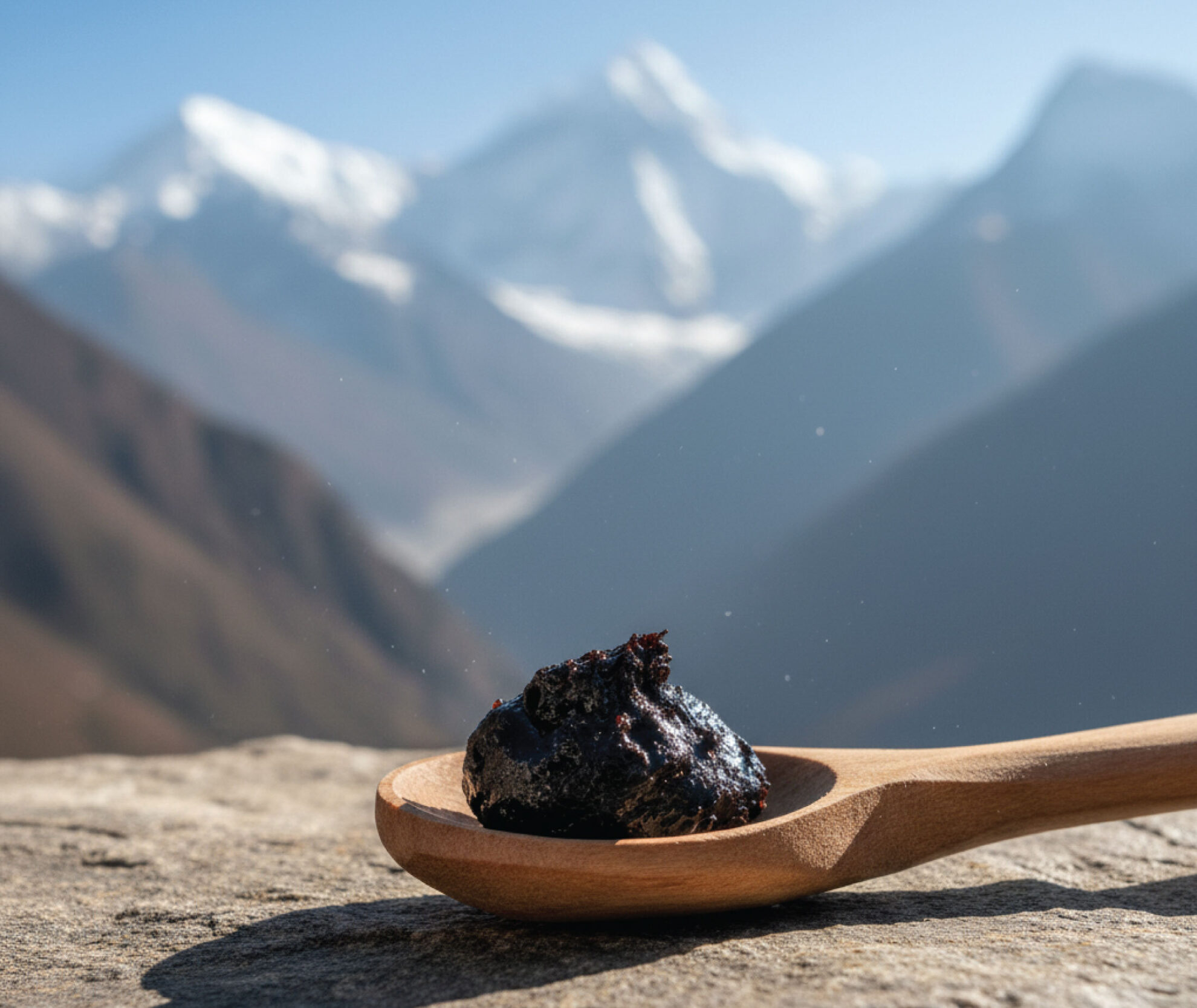
Shilajit, a mineral‑rich resin found in the high‑altitude regions of the Himalayas, has long been prized in traditional medicine for its potential health benefits. Modern research increasingly focuses on how Shilajit interacts with oxidative processes in the body — mechanisms that influence aging, cellular health, and disease resistance. Oxidative balance refers to the equilibrium between free radicals (pro‑oxidants) and the body’s antioxidant defenses; maintaining this balance is essential for optimal physiological function. High‑quality, lab‑tested Shilajit products, such as https://www.newphaseblends.com/product/pure-himalayan-shilajit/, are designed to preserve key bioactive compounds that may contribute to oxidative balance. This review explores the current understanding of Shilajit’s impact on oxidative stress, its constituent compounds, and the implications for human health.
Understanding Oxidative Stress and Biological Balance
Oxidative stress occurs when there is an imbalance between reactive oxygen species (ROS) — highly reactive molecules produced during metabolism and in response to environmental factors — and the body’s ability to detoxify these species with antioxidants. ROS at moderate levels are normal and play roles in cell signaling and immune responses. However, excessive ROS generation can damage lipids, proteins, and DNA, contributing to aging and chronic diseases such as cardiovascular disease, neurodegeneration, and metabolic disorders. Oxidative balance thus involves both limiting pro‑oxidant activities and supporting antioxidant defenses.
Key Bioactive Components of Shilajit Relevant to Oxidative Balance
Shilajit’s complex composition includes numerous bioactive substances that may influence oxidative balance. Among these, fulvic acid and humic acid are widely studied, while other components such as trace minerals and dibenzo‑alpha‑pyrones (DBPs) may also play supporting roles.
Fulvic Acid: A Potent Antioxidant Contributor
Fulvic acid is one of the most abundant organic compounds in Shilajit and is known for its antioxidant properties. Its small molecular size allows it to interact with cells and molecules easily, helping to neutralize free radicals directly. Laboratory research indicates that fulvic acid can donate electrons to unstable ROS, stabilizing them and preventing oxidative damage. Beyond direct scavenging, fulvic acid also facilitates the transport and uptake of minerals that function as cofactors for endogenous antioxidant enzymes, indirectly supporting the body’s own defense systems.
Humic Acid and Synergistic Effects
Humic acid, another major organic constituent of Shilajit, complements fulvic acid in antioxidant activity. While humic acid is larger and less readily absorbed than fulvic acid, it contributes to redox (reduction‑oxidation) reactions and may enhance the overall antioxidant milieu by supporting metal ion chelation and binding of pro‑oxidant molecules. The combined presence of both fulvic and humic acids suggests a synergistic effect in promoting oxidative balance.
Trace Minerals and Enzymatic Antioxidant Function
Shilajit contains various trace minerals such as selenium, zinc, magnesium, and manganese. These elements are essential cofactors for endogenous antioxidant enzymes, including superoxide dismutase (SOD), glutathione peroxidase (GPx), and catalase. For example, selenium is a key component of GPx, which reduces hydrogen peroxide and lipid hydroperoxides, while zinc and manganese contribute to SOD activity, dismutating superoxide radicals into less reactive molecules. By providing a natural matrix of these trace minerals, Shilajit may support the enzymatic systems that maintain oxidative balance.
Dibenzo‑Alpha‑Pyrones (DBPs) and Mitochondrial Protection
DBPs in Shilajit are studied for their potential to support mitochondrial function — mitochondria being significant sources of ROS in cells. DBPs may help stabilize mitochondrial membranes and preserve electron transport chain efficiency, reducing excessive ROS leakage. Although research is still emerging, preliminary findings suggest that DBPs could contribute to cellular resilience against oxidative stress, particularly in tissues with high energy demands such as muscles and the brain.
Mechanisms of Action in Redox Balance
Shilajit’s influence on oxidative balance can be conceptualized through several mechanisms:
• Direct Free Radical Scavenging: Fulvic and humic acids neutralize ROS directly.
• Metal Chelation: Organic acids bind pro‑oxidant metal ions (e.g., iron, copper), reducing Fenton reactions that generate harmful radicals.
• Support of Endogenous Antioxidants: Trace minerals aid the activity of key antioxidant enzymes.
• Mitochondrial Support: DBPs may reduce ROS generation at the mitochondrial level by optimizing energy production.
Together, these mechanisms contribute to a holistic oxidative balance rather than a single‑pathway effect.
Preclinical Evidence of Antioxidant Activity
In vitro (cell culture) studies consistently demonstrate antioxidant activity in Shilajit extracts. For example, assays that measure reduction of free radicals (such as DPPH or ABTS assays) show significant radical‑scavenging effects with fulvic acid and Shilajit extracts. Animal studies also indicate reduced markers of oxidative damage — such as lipid peroxidation and protein carbonylation — following Shilajit administration in models of induced oxidative stress. These findings establish a biochemical basis for antioxidant potential, though direct translation to human physiology requires further clinical validation.
Human Studies and Clinical Perspectives
Human clinical research on Shilajit and oxidative markers is relatively limited but promising. Small cohort studies suggest improvements in biomarkers of oxidative stress and antioxidant capacity following consistent Shilajit supplementation. For example, increases in total antioxidant capacity and decreases in oxidative stress indicators have been observed in some trials involving physical fatigue or metabolic imbalance. Though sample sizes are modest and methodologies vary, these findings support the concept that Shilajit may influence systemic redox balance in humans.
Implications for Health and Well‑Being
Maintaining oxidative balance is vital for long‑term health. By assisting both direct and indirect antioxidant defenses, Shilajit may contribute to reduced oxidative damage, enhanced cellular function, and resilience against age‑related physiological decline. Potential practical applications include support for energy metabolism, improved recovery from exercise‑induced oxidative stress, and promotion of healthy aging pathways. However, it’s important to contextualize these benefits within a broader lifestyle approach that includes balanced nutrition, physical activity, and stress management.
Safety Considerations and Source Quality
Oxidative balance benefits are most credible when Shilajit is pure and free from contaminants. Naturally occurring heavy metals or adulterants can themselves induce oxidative stress, counteracting potential benefits. High‑quality products undergo rigorous laboratory testing to verify mineral content, absence of toxic metals, and preservation of bioactive compounds. Consumers should seek transparent lab reports and third‑party validation to ensure safety and efficacy.
Comparison With Other Antioxidant Strategies
Shilajit’s role in oxidative balance should be seen alongside other nutritional antioxidants like vitamins C and E, polyphenols from plant foods, and endogenous defenses supported by lifestyle factors. Unlike isolated antioxidant supplements, Shilajit provides a complex matrix of compounds that act synergistically, potentially supporting multiple aspects of redox biology. This holistic profile aligns with traditional approaches that emphasize whole‑substance benefits rather than single‑nutrient effects.
Future Directions in Research
Further research is needed to clarify the mechanisms, effective dosages, and long‑term effects of Shilajit on oxidative balance in diverse populations. Larger, placebo‑controlled human trials with standardized formulations would strengthen clinical evidence. Additionally, studies exploring molecular pathways — such as effects on Nrf2 signaling (a master regulator of the antioxidant response) — could deepen understanding of how Shilajit interfaces with cellular defense systems.
Conclusion: Shilajit’s Role in Supporting Oxidative Balance
Shilajit offers a complex supplement with multiple mechanisms that may support oxidative balance, including direct free radical scavenging, metal chelation, enhancement of endogenous antioxidant enzymes, and mitochondrial resilience. Its constituent compounds — notably fulvic acid, humic acid, trace minerals, and DBPs — work synergistically to influence redox biology. While research is ongoing, existing preclinical and preliminary clinical evidence suggests that Shilajit may contribute to reduced oxidative stress and enhanced cellular health. As with any supplement, quality and purity are paramount; lab‑verified sources provide greater confidence in safety and potency. Integrating Shilajit into a balanced wellness strategy may offer additional support for physiological resilience, energy, and long‑term health.


