
Buying vs Renting an Impact Crushing Machine: What the Numbers Really Say
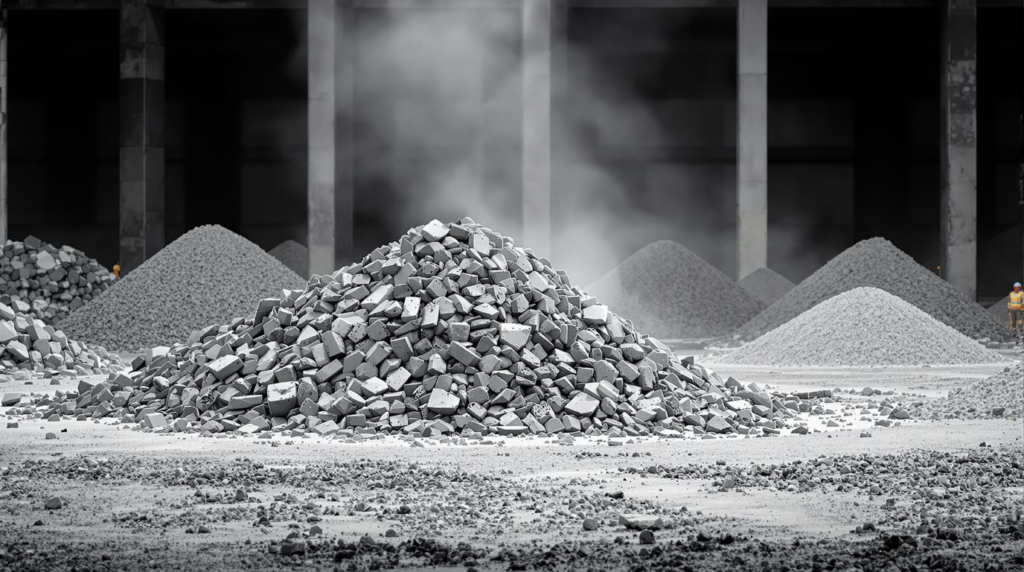
When contractors consider adding crushing capacity, the first big question is almost always financial. Should you buy or rent? On the surface, renting feels safer. Lower upfront cost, no long-term commitment, flexibility. Buying feels heavier, riskier. But once you dig into real operating numbers, the picture changes fast. The decision to buy vs rent impact crushing machine capacity depends on utilization, hauling savings, and control over scheduling more than on sticker price. For many operations, a single impact crusher quickly proves to be an asset rather than an expense.
Let’s look at what the numbers actually say.
The Real Cost Structure of Renting
Rental pricing is designed to look attractive short term. Daily or weekly rates feel manageable, especially for contractors testing the waters.
But impact crusher rental cost rarely includes the full picture.
Typical rental scenarios involve:
- Daily or weekly machine rates
- Mobilization and demobilization fees
- Minimum rental periods
- Higher fuel consumption due to generic setups
- Limited configuration options
Rental machines are also shared assets. They are rarely optimized for your specific material or workflow. Downtime, availability issues, and scheduling conflicts quietly reduce productivity.
If crushing is needed only once or twice a year, renting can make sense. But for recurring projects, rental costs compound quickly.
Ownership Cost Beyond the Purchase Price
Buying a crusher feels expensive because the full price is visible on day one. But impact crusher ownership cost spreads out over years, not weeks.
Ownership includes:
- Purchase price or financing
- Maintenance and wear parts
- Insurance and storage
- Operator training
What it also includes is control. You decide when the machine runs, how it is configured, and where it goes next.
When ownership cost is divided by tons processed over multiple projects, the cost per ton often drops well below rental equivalents.
Utilization Is the Key Variable
The single most important factor in this construction equipment purchase decision is utilization.
Ask three questions:
- How many days per year will I crush material?
- How many tons per day will I process?
- What costs does crushing eliminate elsewhere?
Contractors are often surprised to learn that using a crusher even a few days per month can justify ownership when hauling and disposal savings are included.
High utilization turns ownership from a liability into a margin multiplier.
Crusher Return on Investment Explained
Crusher return on investment is not just about replacing rental fees. It includes savings and value creation across the entire job.
Ownership ROI comes from:
- Eliminating hauling and tipping fees
- Reducing aggregate purchases
- Shortening project timelines
- Increasing bid competitiveness
- Reusing material across jobs
When these factors are added together, ROI timelines often fall between six and eighteen months for active contractors.
In contrast, rental ROI resets to zero every time the machine is returned.
The Hidden Cost of Rental Downtime
Rental crushers are not always available when you need them. Peak construction seasons create shortages. Machines arrive late or leave early due to other bookings.
Downtime costs include:
- Idle crews
- Delayed project phases
- Rescheduled trucking
- Missed weather windows
Ownership removes this risk. The machine is there when the job is ready, not when the rental calendar allows it.
This reliability is difficult to price, but it has real financial impact.
Mobility Changes the Math
A mobile impact crushing machine shifts the economics even further toward ownership. Mobility allows one machine to serve multiple sites without expensive transport logistics.
With mobile units:
- Material is processed where it is generated
- Hauling is minimized or eliminated
- Setup times are shorter
- Projects move faster
For contractors managing several small or mid-sized jobs, one mobile crusher can replace multiple rental events across the year.
This dramatically improves utilization and ROI.
Renting Makes Sense in These Scenarios
Renting is not wrong. It is just specific.
Renting works best when:
- Crushing is rare or experimental
- Material volumes are unpredictable
- Capital is constrained short term
- Projects are isolated and infrequent
In these cases, the higher impact crusher rental cost is offset by flexibility and low commitment.
The mistake many contractors make is continuing to rent long after crushing becomes routine.
Buying Makes Sense in These Scenarios
Ownership shines when crushing becomes part of normal operations.
Buying makes sense when:
- Recycling is part of most projects
- Hauling distances are long
- Disposal fees are high
- Material can be reused or sold
- Scheduling control matters
In these cases, ownership cost is quickly absorbed by operational savings.
This is where the buy vs rent impact crushing machine decision often flips.
Financing and Cash Flow Reality
Buying does not always mean paying cash. Financing, leasing, and rent-to-own options allow contractors to match payments to cash flow.
Monthly ownership payments are often comparable to frequent rental expenses, with one key difference: payments build equity.
After the machine is paid off, crushing costs drop dramatically. Rentals never reach that point.
Maintenance Is Not the Enemy
Maintenance is often cited as a reason to avoid ownership. In reality, impact crushers are designed for predictable wear.
Ownership maintenance benefits include:
- Planned downtime instead of surprise failures
- Familiarity with machine behavior
- Optimized wear part replacement schedules
Rental machines are maintained for general use, not your material. This often leads to lower efficiency and higher fuel use.
Strategic Advantage Beyond Cost
The final factor is strategic. Owning crushing capability changes how contractors bid and plan work.
Ownership enables:
- More aggressive pricing
- Faster mobilization
- Better waste management plans
- Stronger sustainability positioning
This strategic value is rarely captured in spreadsheets but often determines who wins contracts.
Running the Numbers Honestly
To make a sound construction equipment purchase decision, contractors should compare:
- Annual rental spend
- Annual hauling and disposal costs
- Aggregate purchase costs
- Lost time due to scheduling
Then compare that to:
- Annualized ownership cost
- Fuel and maintenance
- Depreciation and resale value
In many cases, the math is clearer than expected.
Final Thoughts
The decision to buy or rent an impact crusher is not about preference. It is about usage, control, and long-term cost. When crushing is occasional, renting works. When crushing becomes routine, ownership often wins decisively.
By analyzing impact crusher ownership cost, recurring impact crusher rental cost, realistic crusher return on investment, and the operational flexibility of a mobile impact crushing machine, contractors can move beyond assumptions and into data-driven decisions.
In today’s market, the numbers increasingly favor ownership for active contractors. Not because machines are cheaper, but because control, efficiency, and reuse are more valuable than ever.