
Flooring Installation Mistakes to Avoid: How to Prevent Wrinkles, Gaps, and Early Wear
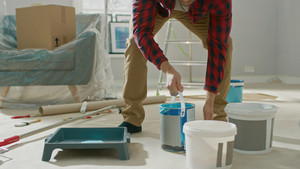
Home flooring is a significant aspect of interior design that can greatly affect the overall ambiance and functionality of a space. Choosing the right type of flooring and installing it correctly is crucial to achieving a durable and aesthetically pleasing outcome. However, improper installation can lead to common issues like wrinkles, gaps, and premature wear, which can be both frustrating and costly to repair. In this article, we will explore some frequent flooring installation mistakes and how to avoid them.
Common Carpet Installation Errors
Carpet is a popular flooring choice, accounting for 48% of the national flooring market according to The Carpet and Rug Institute. Yet, improper installation can quickly diminish its appeal. A common mistake is failing to acclimate the carpet material to the home’s environment prior to installation, which can result in wrinkles as the material expands or contracts.
Another error frequently encountered is neglecting to properly secure the carpet over the entire surface area. Without even pressure, buckling may occur over time. It’s essential to use appropriate stretching tools to ensure a tight fit across the entire carpet.
Furthermore, cutting carpet inaccurately can lead to gaps, which not only look unsightly but can also be a tripping hazard. Precision cutting and fitting techniques are critical to avoid these gaps, ensuring the safety and longevity of the flooring. According to Homeguide, about 60% of a typical home is covered in carpet. This highlights the importance of accurate measurements and careful adjustments.
Hardwood Flooring Installation Challenges
Hardwood floors provide elegance and value but account for just a fraction of the U.S. flooring industry value. According to Flooring Statistics, hardwood flooring accounted for 7.5% of total U.S. flooring industry value in 2025, compared with 8.2% in 2024. Difficulties such as improper acclimation to indoor humidity levels can cause warping or gaps. Prior to installation, wood flooring should be allowed to adjust to the home’s temperature and humidity to maintain its condition.
The base layer underneath hardwood is just as important. A poorly prepared or uneven subfloor can lead to an unstable installation. Corrective measures like leveling are imperative before laying the hardwood to prevent future complications.
In addition, incorrect nail placement can lead to undesirable noises like squeaks when walking. Properly spacing nails and using the recommended techniques are essential in ensuring a seamless and quiet installation. This precision helps maintain hardwood’s competitive edge despite its relatively small share of total market value.
Laminate Flooring Pitfalls
Laminate flooring offers an affordable and versatile option, but installation missteps can degrade its quality over time. Errors in spacing the boards can lead to expansion issues or excessive gaps during their lifespan. Following manufacturer instructions for spacing is crucial to avoid these problems.
Using incorrect underlayment can inadvertently facilitate wear and tear on laminate floors. Choosing a quality underlayment that suits the home environment is vital to ensuring durability and comfort. It also helps reduce sound transmission, which is particularly important in multi-level residencies.
Finally, failing to secure planks properly may result in the laminate edges lifting over time. Proper adhesive and locking techniques are necessary to maintain the structural integrity of the flooring. Attention to every phase of installation can prevent these issues, allowing for a flawless flooring finish.
In conclusion, flooring installation is an intricate process that requires attention to detail and professional practices. Mistakes during installation can lead to aesthetic and functional issues that could affect your home’s value and living experience. By understanding these common pitfalls and how to avert them, homeowners can achieve a durable and beautiful flooring setup that enhances the home’s appeal and longevity. Choosing the right materials and adhering to best installation practices are critical components to flooring success.