
Power Hungry: The Surprising Share of Electricity Used by Air Conditioners
The modern comforts of home often revolve around maintaining the perfect indoor temperature. With a rise in urbanization and changing climate patterns, the dependency on air conditioners has surged, causing ripples across energy consumption statistics globally. As we delve into the role air conditioners play, we uncover the substantial share of electricity they consume and their implications.
The Role of Air Conditioning in American Homes
Air conditioning has become an integral part of the American household fabric, seamlessly blending into everyday life. Today, a staggering 90% of American homes are equipped with air conditioning systems, a testament to the appliance’s indispensability. This widespread adoption raises questions about the sustainability of such extensive energy consumption.
With the evolving climate threats, reliance on cooling systems is bound to increase, further straining the electric grids. The comfort of cool air during sweltering summer months is often offset by the hefty power bills that accompany it. As these systems gulp down significant amounts of electricity, understanding their efficiency and conservation becomes pivotal.
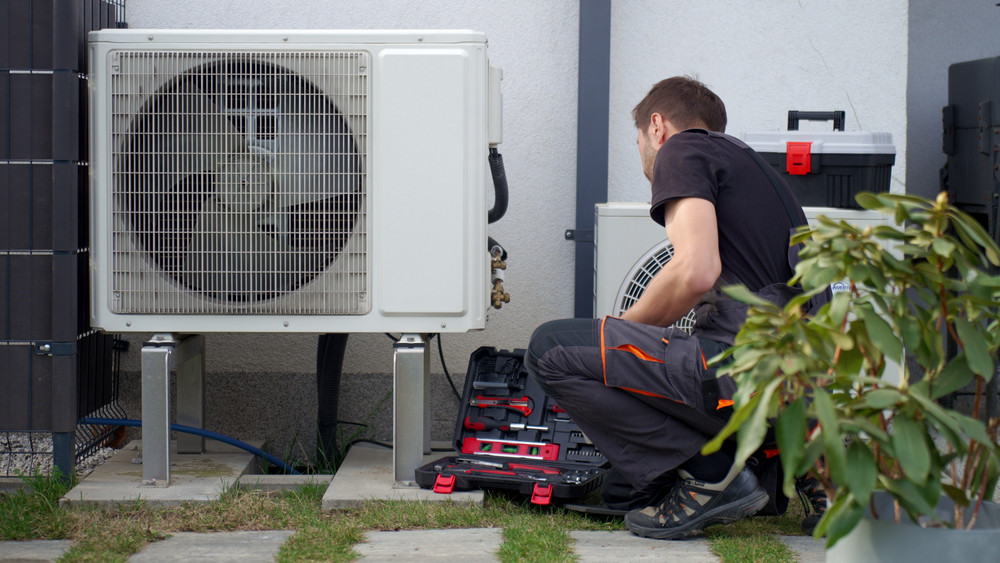
Despite their prevalence, routine maintenance of air conditioners can drastically influence their effectiveness and energy usage. According to HomeGuide, conducting annual servicing ensures these systems run optimally and cleanly, ultimately preserving energy efficiency. Such preventive measures highlight the symbiotic link between regular maintenance and reduced electricity consumption.
Electricity Consumption: A Stark Reality
The electricity consumption attributed to air conditioning reveals eye-opening statistics. Approximately 6% of all electricity generated in the United States is used solely by air conditioning systems, reflecting their significant share. This percentage translates to substantial pressure on both utilities and natural resources, emphasizing a need for sustainable practices.
The interplay of energy use and air conditioning extends beyond mere figures, calling for innovative solutions to balance comfort with conservation. The efficiency of newer models has increased, yet the sheer volume of usage nullifies these gains in many cases. The trajectory suggests a growing need for individual and collective action towards more energy-conscious choices.
The ecological footprint of this energy consumption cannot be ignored. With increasing awareness, there is a gradual shift towards energy-efficient homes that utilize alternative cooling methods. This paradigm shift emphasizes the importance of integrating eco-friendly practices within domestic settings for a sustainable future.
Striking a Balance: Comfort and Conservation
To address the looming energy crisis, a balanced approach integrating efficient technology and conscious consumption is crucial. Optimizing home cooling through the adoption of smart thermostats and zoned cooling can play a pivotal role. These innovations not only enhance comfort but also significantly reduce power usage, thereby lowering the household’s carbon footprint.
By leveraging technology and promoting energy literacy among homeowners, the path to sustainable living becomes more feasible. Implementing slight behavioral shifts, such as adjusting temperature settings and utilizing natural ventilation when possible, can collectively drive down energy use. The key lies in informed decisions that favor both economic and environmental advantages.
The future of air conditioning boasts advancements that promise lower electricity consumption while maintaining efficiency. Already, strides in heat pump technology and passive cooling systems are setting the stage for a new era of cooling solutions. As these innovations gain traction, they hold the potential to redefine our relationship with air conditioning.
The staggering electricity footprint of air conditioners underscores a pressing global issue. As homeowners, the onus is on us to make enlightened choices that align comfort with conservation. By embracing energy-efficient practices, we can help ensure a sustainable future for ourselves and generations to come.
