
Top Skills Employers Look For in Sterile Processing Technicians
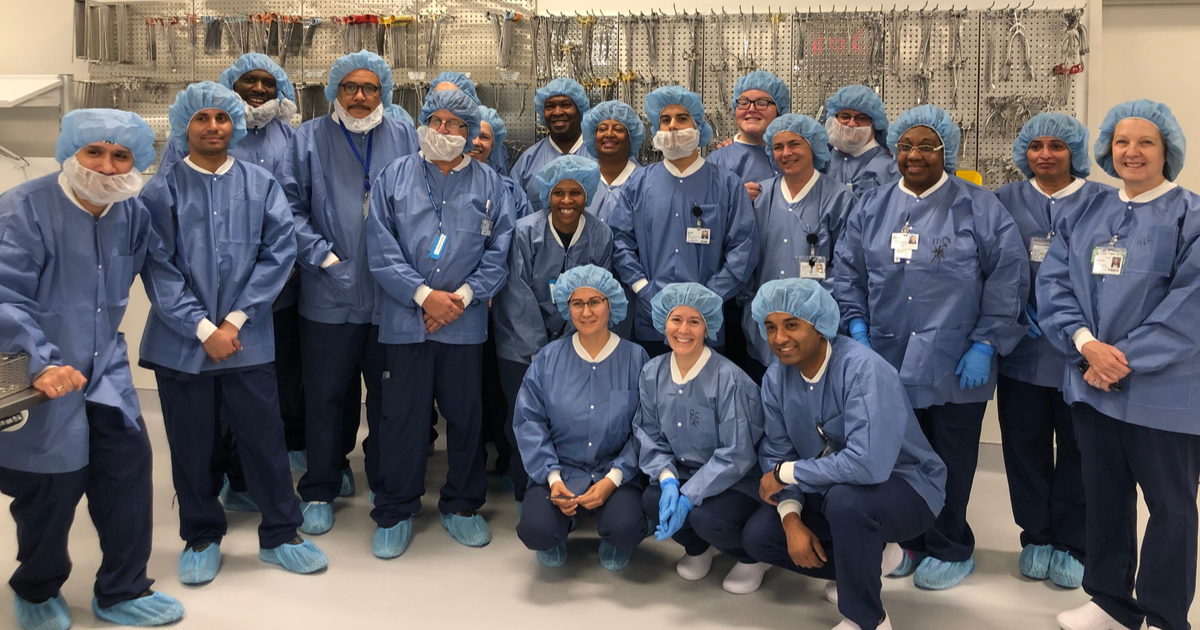
Sterile Processing Technicians work in one of the most regulated and risk-sensitive areas of healthcare. Hospitals are not hiring based on enthusiasm or general interest in medicine. They hire based on skills that reduce errors, protect patients, and keep surgical schedules running without disruption.
Below are the core skills employers consistently look for when hiring Sterile Processing Technicians, and why proper education and training matter more than ever.
1. Attention to Detail Under Pressure
This is not a “nice to have” skill. It is the foundation of the profession.
Sterile Processing Technicians must:
- Inspect instruments for microscopic debris
- Verify tray contents against exact lists
- Monitor sterilization indicators
- Follow multi-step protocols without skipping steps
A single missed detail can compromise an entire surgical case. That is why employers value candidates who completed structured sterile processing technician training online or a formal sterile processing technician online course that emphasizes precision and accountability.
2. Strong Understanding of Infection Control
Hospitals expect technicians to understand why procedures exist, not just how to follow them.
Key competencies include:
- Basic microbiology concepts
- Cross-contamination prevention
- Proper use of personal protective equipment
- Response to failed sterilization cycles
Infection control is not intuitive. It must be taught correctly and reinforced through training that mirrors real hospital standards.
3. Ability to Follow Protocols Exactly
Sterile processing is not a field for improvisation.
Employers look for technicians who can:
- Follow written instructions precisely
- Respect chain-of-custody rules
- Document every step correctly
- Operate within regulatory frameworks
This skill is developed through repetition and structured education, not trial and error. That is why completion of a serious sterile processing technician online course carries weight during hiring.
4. Instrument Recognition and Technical Knowledge
Modern surgical instruments are complex and expensive. Employers expect technicians to recognize:
- Instrument types and functions
- Signs of damage or wear
- Correct assembly configurations
- Instrument-specific cleaning requirements
Guessing is not acceptable. Hospitals want technicians trained to identify problems before they reach the operating room.
5. Time Management and Workflow Awareness
Sterile departments operate on surgical schedules. Delays have ripple effects across the hospital.
Strong technicians understand:
- Prioritization of trays
- Case cart deadlines
- Turnover timing
- Coordination with operating rooms
Employers value people who can work efficiently without sacrificing accuracy. This balance is a learned skill, reinforced during professional sterile processing technician training online programs.
6. Documentation and Compliance Skills
Sterile processing is heavily audited. Technicians must be comfortable with:
- Tracking systems
- Load records
- Sterilization logs
- Compliance documentation
Incomplete or incorrect records are a liability. Employers prefer candidates who already understand documentation standards before day one.
7. Professional Discipline and Reliability
Finally, employers look for consistency.
They want technicians who:
- Show up prepared
- Follow safety rules every shift
- Take responsibility seriously
- Respect the impact of their work
Sterile processing is not glamorous, but it is essential. Reliability matters more than personality.
Final Perspective
Hospitals do not hire Sterile Processing Technicians based on potential alone. They hire based on proven skills that protect patients and systems.
Quality education through a structured sterile processing technician online course or comprehensive sterile processing technician training online builds those skills before employment begins.
In sterile processing, competence is not optional. It is the job.

