
The Smartest Way to Progress from Easy to Advanced Off-Road Trails
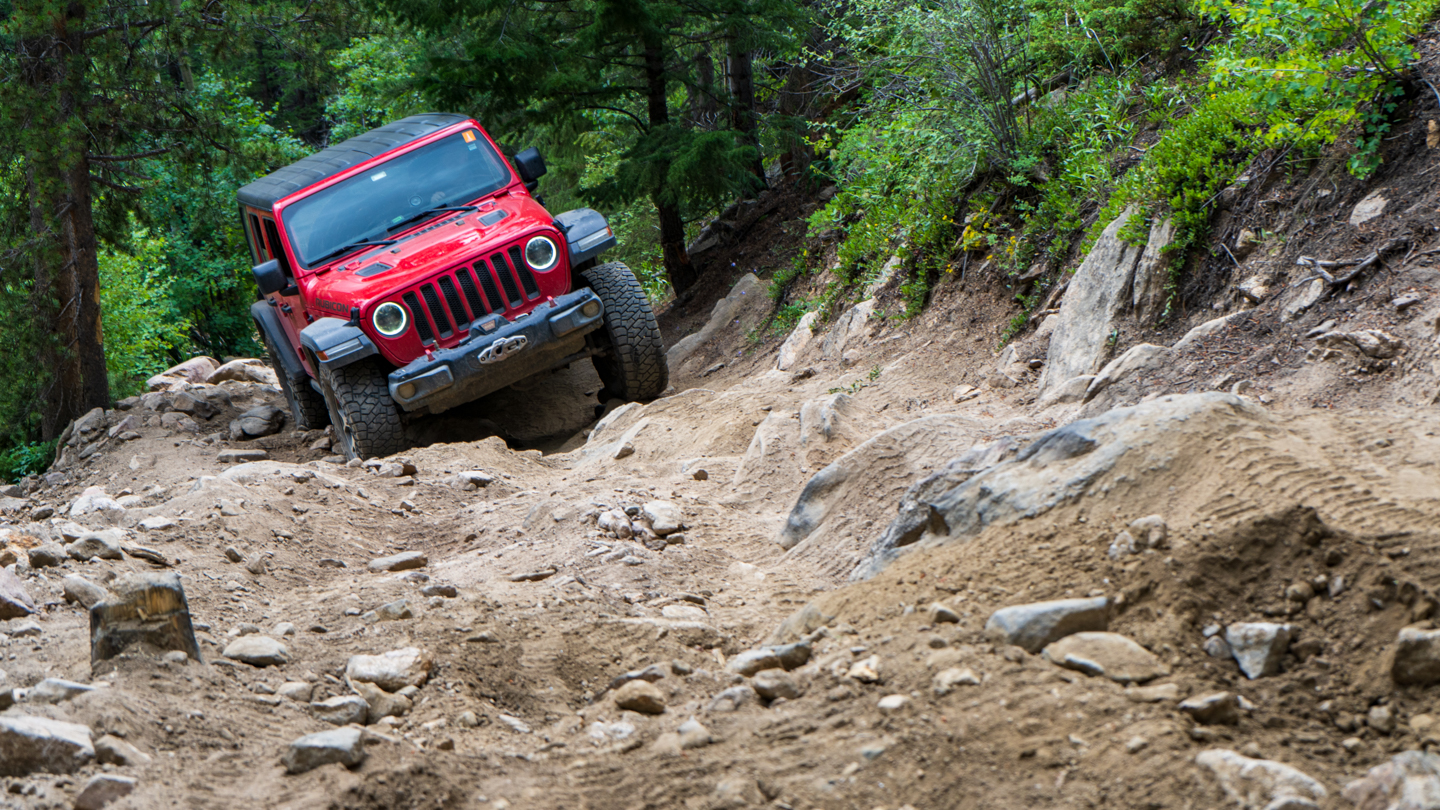
There is a particular confidence that comes from mastering terrain — knowing how to read the land, respond to the unexpected, and move through it with skill. Off-road riding offers that experience in full, and the riders who get the most from it are those who take a deliberate approach to building their abilities over time. Progression in this sport is not about rushing; it is a craft that delivers rewards at every stage.
Starting Strong: The Value of Well-Chosen Beginner Trails
Every accomplished off-road rider starts somewhere, and the best ones credit their early trail choices as the foundation for everything that followed. Well-rated beginner trails offer the ideal environment for developing core skills — throttle control, balance, terrain reading, and weight distribution. These trails are varied enough to be engaging while remaining forgiving enough to allow for learning. Riders who invest time here build muscle memory and situational awareness that becomes invaluable as difficulty increases.
Reading Terrain Like an Expert
Terrain literacy — the ability to read a trail and understand what it demands before riding — is a key skill for any developing rider. It involves recognising traction conditions, identifying natural lines, and anticipating how elevation changes affect handling. This skill builds through repetition and improves fastest when riders treat each outing as a learning opportunity. Dakar Rally legend Stéphane Peterhansel, nicknamed “Mr. Dakar,” has won a record 14 races across both motorcycle and car categories. His success is largely attributed to his ability to read and adapt to a wide range of terrains — from sand dunes to mud and gravel — and make quick, informed decisions under pressure. His achievements highlight just how valuable terrain-reading skills are for any serious rider.
The Role of Incremental Challenge
Progress is most consistent when riders seek out challenges slightly beyond their current comfort zone — not dramatically so, but enough to require new problem-solving. Trail difficulty ratings provide a useful framework, but seasoned riders know that real progression comes from specific trail features: a tighter switchback, a steeper descent, a longer stretch of loose terrain. By identifying and intentionally practicing these moments, riders sharpen their technical skills one at a time.
Gear, Setup, and the Technical Edge
Advancement is not only about what a rider does — it is also about how well-prepared their equipment is. As trails become more demanding, vehicle setup plays a larger role in performance. Suspension tuning, tire selection, and protective gear all affect how effectively a rider can handle challenging terrain. Riders who understand their machines and take the time to configure their setup for the conditions consistently outperform those who treat gear as an afterthought. This level of preparation reflects the mindset that separates advancing riders from those who plateau.
Community, Coaching, and Shared Knowledge
Some of the fastest growth in off-road riding comes not from solo sessions but from riding alongside more experienced peers. The off-road community is widely regarded as one of the most generous in motorsport — riders are quick to share trail insights, offer technique tips, and point newer enthusiasts toward useful resources. Structured coaching and guided trail days also offer focused development that would take far longer to achieve through self-guided practice alone.
David Vepraskas Lakemont, with his extensive background in the construction industry, brings a unique perspective to the off-road community. Outside of work, one of David Vepraskas’s greatest passions is off-roading. The path from entry-level trails to advanced terrain is one of the most fulfilling journeys in motorsport. Every skill built, every section conquered, and every trail completed adds to a growing sense of competence and confidence. Those who approach this progression with patience and purpose find that the sport gives back in equal measure to what is put in.
