
Understanding Hit-and-Run Bicycle Accident Claims
Post Preview
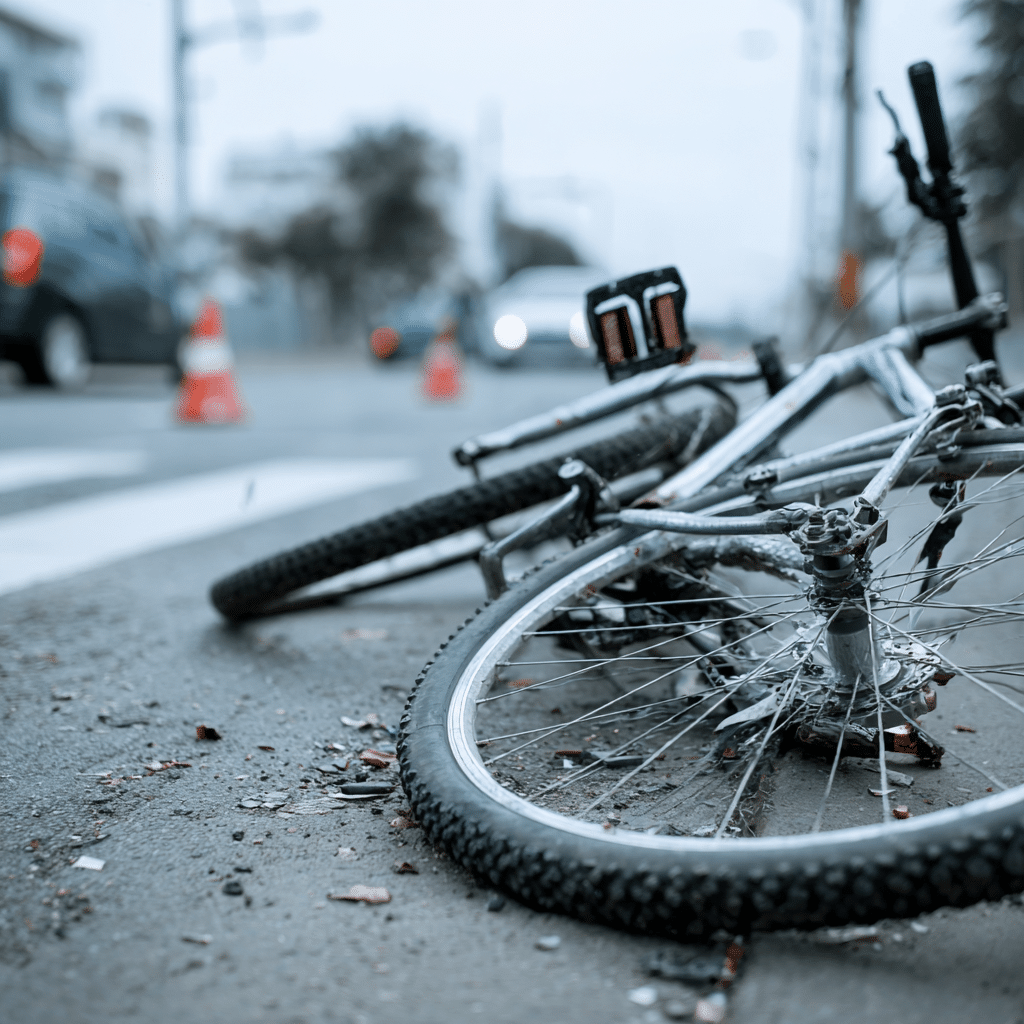
A bicycle crash is frightening enough, but the situation becomes far more complicated when the driver speeds away without stopping. Victims often face medical bills, missed work, and unanswered questions while trying to recover from injuries. Although hit-and-run collisions create unique legal challenges, injured cyclists may still have options for pursuing compensation and protecting their rights.
When the Driver Vanishes but the Evidence Doesn’t
Leaving the scene does not always erase the trail. Security cameras, traffic cameras, vehicle debris, eyewitness statements, and even damage patterns on the bicycle can help investigators piece together what happened. Small details that seem unimportant in the moment often become valuable evidence later.
Many injured cyclists assume a claim ends if the driver’s identity remains unknown. That is not always true. Insurance investigations frequently uncover information that was not immediately available after the crash. A bicycle accident lawyer often works with investigators, witnesses, and accident reconstruction specialists to gather evidence that strengthens a claim even when the driver initially disappears.
Why the First 48 Hours Matter More Than Many Realize
Time works against a hit-and-run case from the moment the collision occurs. Surveillance footage may be overwritten, witnesses may forget important details, and physical evidence can disappear quickly. Prompt reporting helps preserve information that may later prove critical to identifying the driver or supporting an insurance claim.
Medical documentation is equally important during this early period. Emergency room records, physician evaluations, and photographs of injuries create a timeline that connects the accident directly to the harm suffered. A personal injury attorney often reviews these records carefully because insurance companies frequently examine the timing of treatment when evaluating claims.
The Hidden Role of Uninsured Motorist Coverage
Many cyclists are surprised to learn that their own insurance policies may provide protection after a hit-and-run crash. Uninsured motorist coverage can sometimes apply when the at-fault driver cannot be located. This coverage exists because the law recognizes that injured people should not automatically lose their ability to recover damages simply because a driver fled the scene. Coverage details vary from policy to policy, making careful review important. Some claims involve automobile insurance even though the injured person was riding a bicycle at the time of the collision. A Huntsville personal injury attorney often helps clients understand which policies may apply and whether additional coverage options exist.
Common Mistakes That Can Weaken a Strong Claim
Confusion and adrenaline often influence decisions immediately after a crash. Some cyclists leave the scene too quickly, fail to collect witness information, or neglect to document visible injuries. These actions can unintentionally make it harder to establish what occurred.
Social media can create problems as well. Photos, comments, or updates posted online may be taken out of context by insurance adjusters attempting to reduce claim value. An injury lawyer frequently advises accident victims to be cautious about public statements while a case remains active.
How Insurance Companies Evaluate Hit-and-Run Cases
Insurance carriers do not automatically accept every claim at face value. Adjusters often look for independent evidence that confirms the collision occurred as described. Medical records, police reports, witness statements, and photographs help establish credibility throughout the process.
Damage assessments also play a significant role. Bicycle repairs, helmet damage, torn clothing, and injury documentation help demonstrate the severity of the event. A personal injury lawyer understands how these pieces fit together and how insurers typically evaluate evidence in disputed claims.
Compensation Can Extend Beyond Medical Bills
Hospital expenses often receive the most attention after a crash, but they represent only part of the financial impact. Lost wages, rehabilitation costs, future medical treatment, and diminished earning capacity may also affect the injured cyclist’s life. Serious injuries sometimes create challenges that continue long after physical wounds begin healing.
Pain, emotional distress, and loss of enjoyment of daily activities may also factor into a claim. Someone who once enjoyed cycling regularly may face significant lifestyle changes because of the collision. A bicycle accident lawyer in Huntsville AL often evaluates both economic and non-economic losses when assessing potential compensation.
Why Legal Guidance Becomes Especially Valuable in Hit-and-Run Cases
Hit-and-run claims often involve layers of complexity that do not exist in typical traffic accidents. Questions surrounding insurance coverage, missing drivers, investigative efforts, and liability can create obstacles that many accident victims have never encountered before. Legal guidance helps organize the process and identify available options.
Professional representation can also relieve some of the pressure placed on injured individuals during recovery. Instead of handling insurance communications alone, many victims choose to work with a Huntsville personal injury lawyer who can manage negotiations and protect their interests while they focus on healing.
Building a Strong Case Starts With the Right Support
Successful claims often depend on the quality of evidence collected early and the strategy used throughout the case. Every photograph, witness statement, medical record, and insurance document contributes to the larger picture. Strong preparation frequently makes a meaningful difference when pursuing compensation after a hit-and-run bicycle collision.
For individuals facing the uncertainty that follows this type of accident, experienced legal guidance can provide clarity and direction. The Lackey Law Firm assists injured cyclists by helping investigate hit-and-run crashes, evaluate available insurance coverage, and pursue fair compensation for the losses caused by another person’s decision to leave the scene.

