
What Motorcyclists Need to Know Before Accepting an Insurance Settlement in Texas
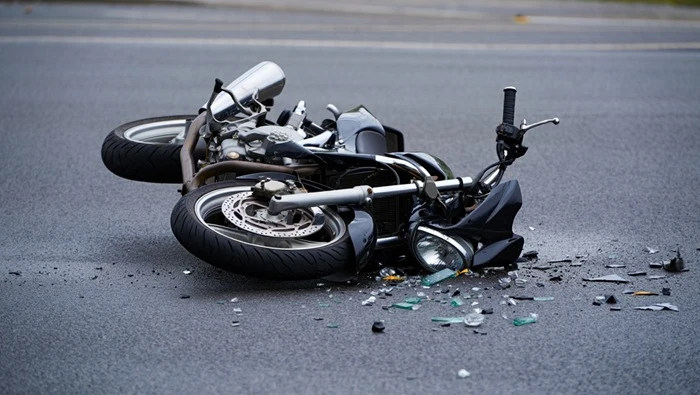
Most riders spend a lot of mental energy preparing for highway dangers: merging trucks, blind curves, blown tires at speed. What catches people off guard is the parking lot. It feels controlled. Speeds are low. There are no lane changes at 70 mph. And yet, for motorcyclists, a parking lot collision carries risks that drivers in enclosed vehicles rarely experience and a legal landscape that is far more layered than a simple two-car fender bender.
If you have been hurt in a parking lot crash in Texas, or you are weighing whether to accept an early insurance settlement after one, this article is for you. Understanding who can be held responsible and how Texas courts handle shared fault could be the difference between a check that barely covers your emergency room bill and one that reflects the full extent of what you have lost.
Why Parking Lot Crashes Are Not “Minor” for Motorcycle Riders
The term “low-speed crash” carries a misleading sense of safety. For someone inside a sedan with airbags, crumple zones, and a steel frame, a 15 mph impact might result in a sore neck and a dented bumper. For a motorcyclist, that same speed can mean being thrown from the bike onto asphalt, having a vehicle roll partially over a leg, or absorbing the full force of a door-panel strike with nothing between you and the impact.
According to the National Highway Traffic Safety Administration (NHTSA), motorcyclists are nearly 24 times more likely to die in traffic crashes per vehicle mile traveled than occupants of passenger vehicles. In 2024 alone, 6,228 motorcyclists were killed representing 16% of all traffic fatalities nationally. These figures cover public roadways, but the underlying vulnerability follows the rider wherever they go, including parking lots.
Common injuries from parking lot motorcycle crashes include:
- Broken bones (wrists, arms, ankles, collarbone)
- Traumatic brain injury, even at low speeds without a helmet
- Spinal injuries from landing awkwardly on pavement
- Road rash requiring debridement and skin grafts
- Soft-tissue damage that does not show up immediately on imaging
The National Safety Council reports that more than 50,000 crashes occur annually in U.S. parking lots and garages, resulting in over 60,000 injuries and approximately 500 deaths. For motorcyclists, who lack every protective feature present in passenger vehicles, even a fraction of those numbers represents serious, life-altering harm.
The Liability Puzzle: It Is Rarely Just the Other Driver
Here is where many motorcycle crash victims leave money on the table. They file a claim against the driver who hit them and accept whatever that driver’s liability policy offers without ever asking whether a third party shares responsibility.
In a parking lot collision, there can be up to three separate sources of legal liability:
1. The Other Driver
This one is straightforward. If another motorist backed into you without looking, cut across a travel lane without yielding, or opened a door into your path, their negligence is actionable under standard auto liability law. In Texas, that driver is required to carry a minimum of $30,000 in personal injury liability per person. However, as many riders discover too late, that amount rarely covers the true cost of a serious motorcycle injury. When medical bills exceed that ceiling, supplemental recovery options including your own Uninsured/Underinsured Motorist (UM/UIM) coverage and Personal Injury Protection (PIP) become critical.
2. The Property Owner or Business
This is where parking lot accident liability gets genuinely complex, and where most injured riders fail to look. Texas premises liability law holds property owners and businesses responsible for maintaining reasonably safe conditions for anyone invited onto their property which includes their parking lot.
A property owner may share or bear primary liability when:
- The lot lacks adequate signage or lane markings, making traffic flow unpredictable
- Speed humps or other traffic-calming measures are absent in a high-pedestrian area
- Poor lighting creates visibility hazards, especially at dusk or after dark
- Pavement defects, oil patches, or debris make surfaces hazardous for two-wheeled vehicles
- The lot was designed with blind corners, insufficient sight lines, or inadequate turning radii
- Prior incidents in the same lot went unaddressed
Under Texas law, a business or landlord that invites the public onto their property has a legal duty to inspect for and correct known hazards. If management was aware of a dangerous condition or should have been aware of it through reasonable inspection and failed to act, that inaction can constitute negligence. For a motorcyclist injured because a lot lacked any speed control measures near a pedestrian crossing, that creates a viable third-party claim separate from the driver’s policy.
To understand how these low-speed crash injury claims intersect with insurance coverage and how Texas courts evaluate overlapping liability, consulting an attorney who handles motorcycle cases specifically is critical before any settlement paperwork is signed.
3. Who Actually Controls the Lot?
One more wrinkle: the business whose name is on the building does not always control the parking lot. Texas courts examine who had operational control over the property at the time of the crash. In leased commercial spaces, the landlord often retains responsibility for common areas including parking. In some cases, a property management company holds that duty. Identifying the correct responsible party requires a thorough investigation, not just a quick look at Google Maps.
How Texas Comparative Negligence Works in Parking Lot Cases
Texas follows a modified comparative negligence system with a 51% threshold bar. Here is what that means in practice:
- If you are 0% to 50% at fault, you can recover damages, but your award will be reduced by your percentage of responsibility. For example, if a jury finds you 20% at fault, you receive 80% of your total damages.
- If you are 51% or more at fault, you are barred from recovering any compensation at all.
Insurance adjusters are trained to use this rule aggressively. After a parking lot motorcycle crash, expect the at-fault driver’s insurer to argue that you were speeding through the lot, failed to yield, or were somehow inattentive. These arguments shift percentage points of fault onto you and reduce the settlement accordingly.
This is one of the most important reasons not to accept an early offer. A quick settlement presented in the days or weeks after a crash almost always reflects the insurer’s lowest assessment of their exposure, before your full injuries are documented and before anyone has examined whether the property owner shares liability.
When Does a Parking Lot Crash Become a Premises Liability Case?
A parking lot collision becomes a premises liability case when the design or maintenance of the lot itself contributed to the accident not just the actions of the drivers involved.
Courts and attorneys look for:
- Foreseeability: Were similar incidents previously reported in this lot? Did management receive complaints about a specific hazard? Prior notice is strong evidence that the risk was foreseeable and that inaction was negligent.
- Code compliance: Did the lot meet local ordinances for lighting, signage, and accessibility? Violations can establish a baseline of negligence.
- Engineering defects: Were aisles too narrow? Did the design create blind intersections between pedestrian walkways and vehicle travel lanes?
- Maintenance failures: Oil accumulation, gravel buildup, or unmarked surface damage that would destabilize a motorcycle mid-turn all fall under the property owner’s duty of care.
It is worth noting that surface conditions are not exclusive to traditional road hazards. As detailed in this analysis of how road debris affects rider stability, even seemingly benign substances on a riding surface can have catastrophic consequences when a two-wheeled vehicle hits them unexpectedly. The same principle applies in parking lots where maintenance is deferred or neglected.
What Should I Do Immediately After a Parking Lot Motorcycle Crash in Texas?
The steps you take in the first 24 to 48 hours have a direct bearing on the strength of any future claim.
- Call 911 and get a police report filed, even if the other driver tries to handle it informally. A report establishes an official record.
- Get medical attention the same day, even if your injuries feel minor. Delayed-onset injuries, including soft-tissue damage and concussion symptoms, are real and documentable.
- Photograph everything before anyone moves a vehicle: tire marks, final resting positions, signage (or lack thereof), lighting conditions, surface quality, and any obstructions that limited sightlines.
- Request surveillance footage from the property. Parking lots are almost always monitored, and footage can be critical for establishing both fault and the layout conditions that contributed to the crash.
- Document the lot’s physical characteristics: lane width, speed signage, speed humps, crosswalk markings, and lighting fixtures. These details directly support any premises liability claim.
- Speak with an attorney before communicating with any insurance company. Anything you say can be used to shift comparative fault onto you.
Should You Accept the First Insurance Settlement Offer After a Motorcycle Crash?
In nearly every case, the answer is no. Here is why:
The first offer you receive comes before your full medical picture is clear. Injuries that require surgery, physical therapy, or long-term pain management become apparent weeks or months after the crash, not in the immediate aftermath. Once you accept a settlement and sign a release, you forfeit your right to seek additional compensation, regardless of what your treating physician discovers later.
Beyond medical costs, a fair settlement for a motorcycle crash in Texas must account for:
- All past and future medical expenses
- Lost income during recovery
- Reduced future earning capacity if the injury is long-term
- Motorcycle repair or replacement
- Pain and suffering, including physical and emotional consequences
- Loss of enjoyment of activities you could previously engage in
Research from the Insurance Research Council found that injured claimants who retained legal representation received settlements approximately 3.5 times higher than those who negotiated alone. That figure matters most in complex parking lot cases where multiple parties share liability because the total available compensation pool is larger than a single driver’s policy limit.
What Is the Average Motorcycle Accident Settlement in Texas?
Settlement values vary widely based on injury severity, liability clarity, and available coverage. Some general benchmarks:
| Injury Type | Approximate Settlement Range |
| Soft tissue / minor fractures | $15,000 to $75,000 |
| Moderate fractures, surgery required | $75,000 to $300,000 |
| Serious orthopedic or spinal injuries | $300,000 to $1,000,000+ |
| Traumatic brain injury or paralysis | $1,000,000+ |
Texas’s minimum liability requirement of $30,000 per person means many at-fault drivers are significantly underinsured relative to typical motorcycle crash costs. When property owner liability creates a secondary recovery avenue, that ceiling rises substantially.
Final Takeaway: Parking Lots Are Not Legal No-Man’s Lands
The assumption that a parking lot crash is a simple, low-stakes event is exactly what benefits insurance companies and negligent property owners. Texas law gives injured motorcyclists real tools: a premises liability framework that reaches property owners and businesses, a comparative negligence system that allows recovery even with shared fault, and no-cap damages for serious injuries.
What it does not give you is the luxury of time. Texas has a two-year statute of limitations for personal injury claims, including parking lot crashes. Surveillance footage gets overwritten. Witnesses move on. Physical evidence of a poorly designed lot can be repaired before anyone documents it.
If you or someone you ride with has been injured in a parking lot motorcycle crash in Texas, the most important thing you can do is act quickly and resist the pressure to settle before you understand the full scope of who is liable and what your injuries will actually cost.

