
What’s Really Behind Your Fear of the Dentist (And Why It Matters)
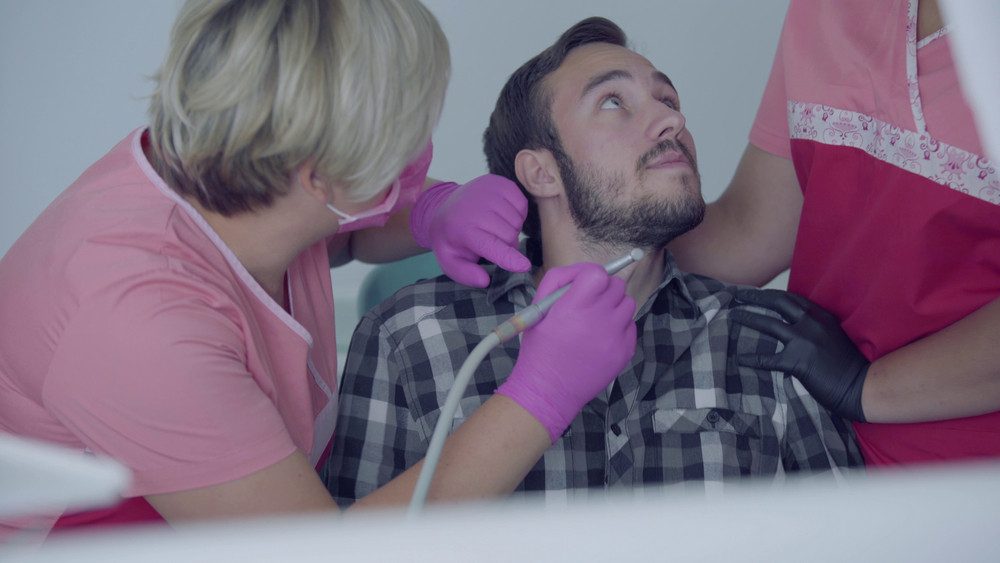
Fear of the dentist is far more common than many people realize, and it often leads to delayed care, skipped appointments, and worsening oral health over time. While some anxiety is mild, for others it can become strong enough to avoid dental visits altogether. This avoidance can have real consequences, especially when routine care is postponed for years. Understanding why this fear exists and how it connects to long-term dental health can help put it into perspective and encourage healthier habits. Dental care is not just about treating problems when they appear; it is about preventing them before they start.
Why Dental Fear Is More Common Than You Think
A significant portion of the population experiences discomfort or anxiety about visiting the dentist. According to a Forbes Health survey, about 38% of respondents reported feeling some level of fear or apprehension when going to a dental office. This means that more than one in three people may feel uneasy before or during a dental visit.
This fear can stem from a variety of sources, including past negative experiences, fear of pain, embarrassment about oral health, or even the sounds and sensations associated with dental procedures. For some individuals, the anticipation of discomfort is enough to delay scheduling appointments altogether. Unfortunately, postponing care often allows minor issues to become more serious over time, which can reinforce the very fear that caused the delay in the first place. Recognizing how common this anxiety is can help normalize it and reduce the sense of isolation many people feel.
Why Regular Dental Visits Still Matter, Even When You’re Afraid
Even when fear is present, consistent dental care remains essential for maintaining long-term oral health. According to the Mayo Clinic, it is recommended that individuals see a dentist at least once a year for routine exams and professional cleanings. These visits are designed not only to clean teeth but also to detect early signs of problems before they become more serious.
Skipping regular appointments can allow small issues such as plaque buildup, gum inflammation, or early decay to progress unnoticed. In many cases, early-stage dental problems are far easier—and less uncomfortable—to treat than advanced conditions. Routine exams also give dentists the opportunity to provide personalized guidance on brushing, flossing, and preventive care. For those who experience dental anxiety, maintaining even minimal consistency with annual visits can significantly reduce the likelihood of needing more invasive procedures later on.
The Hidden Consequences of Avoiding Dental Care
Avoiding the dentist due to fear can have unintended consequences for oral health. According to the Centers for Disease Control and Prevention (CDC), approximately one in four adults between the ages of 20 and 64 has untreated cavities. This statistic highlights how common dental decay is among adults, even in populations with access to basic oral hygiene information.
Cavities often begin without noticeable symptoms, which means many people may not realize they have a problem until it becomes more advanced. When dental visits are delayed or skipped entirely, these issues can worsen and eventually require more extensive treatment, such as fillings, root canals, or extractions. Ironically, fear of discomfort can lead to situations where more discomfort is eventually needed to resolve the problem. This cycle demonstrates why preventive care is so important, even for individuals who feel uneasy about dental visits.
Breaking the Cycle of Fear and Avoidance
The connection between dental anxiety and oral health outcomes creates a cycle that can be difficult to break. Fear leads to avoidance, avoidance leads to delayed treatment, and delayed treatment often leads to more serious dental problems. Over time, this cycle can reinforce itself, making future visits feel even more intimidating.
However, modern dentistry has evolved significantly, with many practices focusing on patient comfort, communication, and minimally invasive techniques. Understanding that fear is both common and manageable is an important step toward improving oral health habits. Small changes, such as scheduling routine checkups, communicating concerns with dental staff, or choosing a provider experienced in anxiety-friendly care, can make a meaningful difference in breaking this cycle.
Fear of the dentist is a widespread experience, but it should not stand in the way of maintaining good oral health. By understanding both the emotional and practical sides of dental visits, individuals can begin to take steps toward overcoming fear and protecting their long-term oral health.