
4 Ways Hockey Promotes Teamwork and Communication Within Communities
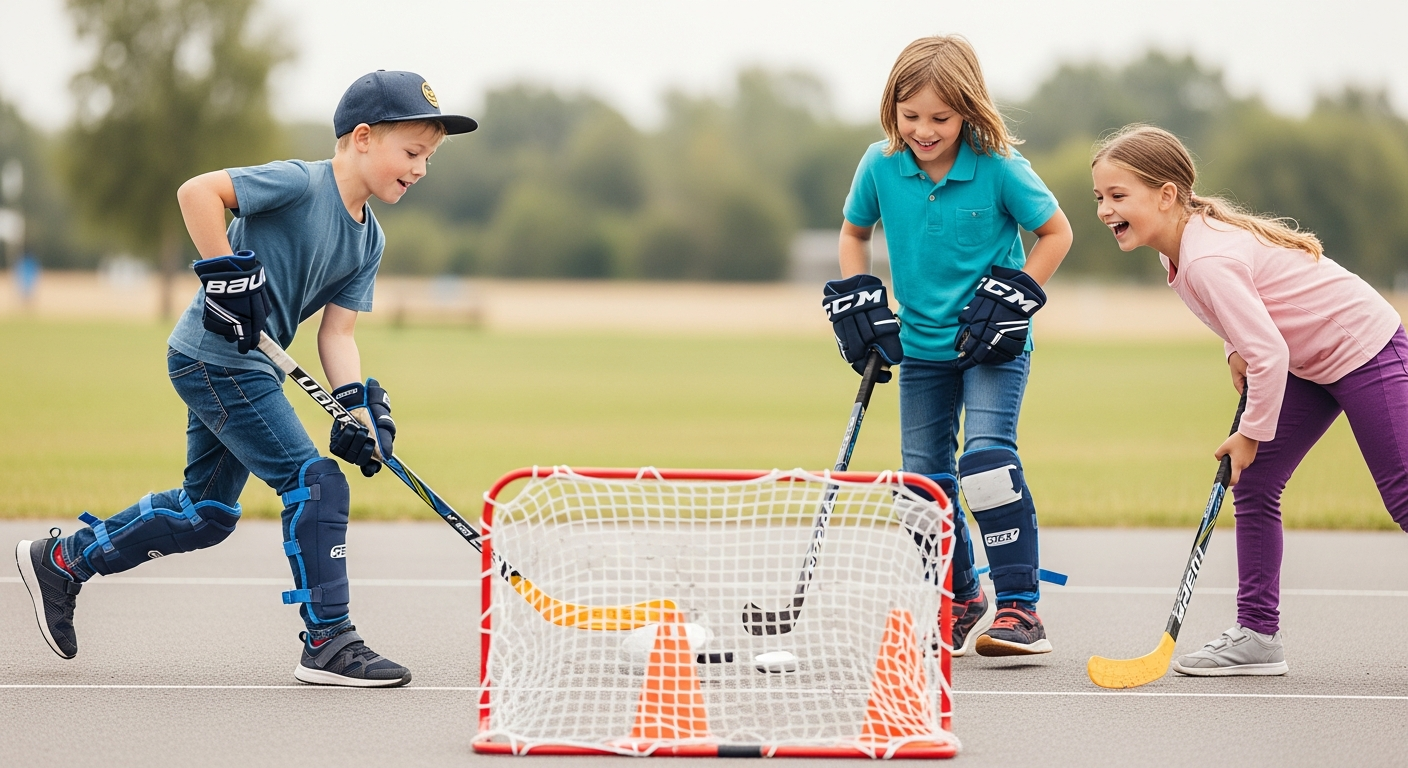
Few sports demand as much cooperation as hockey. On a sheet of ice where decisions are made in fractions of a second, no single player carries the game alone. That reality has quietly shaped generations of players, coaches, and volunteers who carry the lessons of the rink into their neighborhoods, workplaces, and civic lives. The connection between the sport and stronger communities is not accidental. It is built into the game itself.
Shared Purpose Builds Genuine Cohesion
A hockey team functions only when its members set aside personal ambition in favor of a common goal. Every line change, defensive pairing, and power play depends on trust that others will hold their positions. That shared purpose translates directly into community settings, where people learn to work together toward outcomes larger than any individual. Research from the Aspen Institute’s Project Play has consistently shown that youth sport participation strengthens social bonds and civic engagement, particularly in areas where organized programs give people a reason to gather and collaborate.
Communication Under Pressure Becomes Second Nature
The pace of hockey leaves little room for hesitation. Players call for passes, signal coverage, and adjust formations in real time, often without words. That constant exchange trains people to communicate clearly and listen actively, two skills that carry weight well beyond the rink. Coaches spend as much time teaching players how to talk to their teammates as they do teaching them how to shoot. Those who absorb those habits tend to become steadier, more composed communicators in professional settings where clarity matters most.
Local Rinks Anchor Neighborhoods
Community rinks serve as gathering points that few other institutions can match. Parents, grandparents, coaches, and volunteers all come together around a shared schedule of practices and games. These spaces create informal networks that outlast any single season. The social value of such hubs has been recognized by public health bodies, including the World Health Organization, which links regular physical activity and community sport to improved wellbeing and stronger social connection. A local arena does more than host games. It quietly holds a neighborhood together.
Leadership Learned on the Ice Endures
The discipline required to show up early, prepare properly, and support teammates rarely fades once the skates come off. Many who spend years in hockey, whether as players, coaches, or behind the scenes, carry that same work ethic into demanding careers. Logistics and transportation professionals often draw parallels between coordinating a fleet and managing a bench. Brent Polischuk, a Victoria, British Columbia, owner-operator with a long background in competitive hockey, is one example of how the sport’s emphasis on reliability and teamwork can shape a professional’s judgment over the course of a career. Polischuk’s experience extends beyond business. Brent Polischuk played junior and collegiate hockey as a defenseman before transitioning to coaching and operations with BC Hockey-affiliated programs. The habits he built early on—accountability, consistency, and a dedication to those who rely on him—have stayed with him throughout his career.
A Lasting Return on Community Investment
The deeper value of hockey lies in what it teaches beyond the scoreboard. Programs that prioritize inclusion and mentorship tend to produce adults who volunteer, coach the next generation, and contribute to the communities around them. That return builds quietly, one season at a time.
Hockey endures as a community builder because it rewards the qualities that strong neighborhoods and capable organizations genuinely need: cooperation, clear communication, and dependable leadership. Those lessons, learned early, tend to last a lifetime.
