
5 Myths About Veterinary Care Debunked
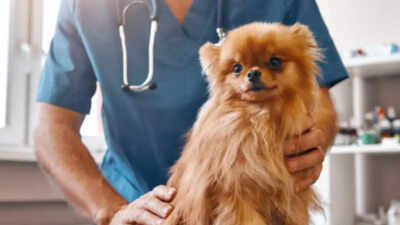
You might be feeling torn every time your pet needs care. You love them deeply, but you worry about cost, about being judged, about whether something is really necessary or if you are being “upsold.” Maybe you have heard different opinions from friends, social media, even strangers at the dog park, and now you are not sure whether to trust a Murrieta veterinarian or anyone else.end
It often starts with something small. A limp that comes and goes. A strange rash. A reminder that vaccines are due. Suddenly, you are caught between wanting to do everything for your pet and fearing that one wrong decision could hurt them or drain your savings. Because of this tension, myths about veterinary care can feel very comforting. Myths promise easy answers. Unfortunately, they can also quietly put your pet at risk.
Here is the short version. Many common beliefs about vets and pet care are simply not true. Routine visits are not a money grab. “Natural” food is not automatically safer. Vaccines are rarely optional. Online advice cannot replace a hands-on exam. And most vets are not secretly judging you. Once you see what myth is and what is real, you can make calmer, more confident decisions for your pet.
Myth 1: “If my pet seems fine, we can skip the vet”
On busy weeks, it is very tempting to think, “They are eating and playing. They are fine. We can wait.” You might feel guilty even scheduling a wellness visit when nothing seems wrong, as if you are wasting time or money.
Here is the hard part. Animals are experts at hiding pain and illness. A cat can have dental disease so severe that several teeth need to be removed, yet still eat and purr. A dog can have early kidney disease with almost no outward signs. By the time you see obvious symptoms, treatment is often harder, more expensive, and less successful.
The American Veterinary Medical Association has data showing that preventive care, though it has an upfront cost, often reduces overall expense over a pet’s lifetime. You can read more about how the cost of veterinary care breaks down and why early care matters.
The solution is not to panic at every small change. It is to treat wellness exams as part of normal pet ownership, just like feeding them or giving them fresh water. Routine visits catch small issues early. That means fewer emergencies, fewer surprises, and a better chance at a long, comfortable life for your pet.
Myth 2: “Natural or grain-free food is always safer and healthier”
Pet food labels can be confusing and emotional. Words like “natural,” “premium,” and “grain-free” sound comforting. You want to believe that the more expensive bag with pretty packaging must be better. You might also have seen scary posts about certain ingredients, and now every label feels like a test you are failing.
The myth is that marketing words equal quality and safety. The reality is that terms like “natural” have very specific regulatory meanings, and some claims are more about branding than nutrition. The U.S. Food and Drug Administration explains how pet food labels and claims actually work, which can be eye-opening once you see how tightly some things are defined and how loosely others are used.
Grain-free diets are a good example. They were heavily promoted, yet later, some were linked with certain heart problems in dogs. Not every grain-free food is dangerous, but it shows how quickly a trend can outrun the science.
The safer path is to focus on complete and balanced nutrition, brand transparency, and your pet’s specific needs. Ask your veterinarian which diets they trust and why. Bring the bag or a photo of the label to your visit. You are not expected to decode it alone.
Myth 3: “Vaccines are optional for pets that stay indoors”
If your cat never goes outside, or your small dog only uses the backyard, vaccines can feel optional. You may worry about reactions or think, “Why vaccinate if there is no exposure?” This can be especially strong if you had a bad experience with a vaccine yourself as a child.
Unfortunately, indoor pets are not as isolated as they seem. People come and go. Shoes track in dirt and germs. A door is left open. A window screen gives way. Even a quick boarding stay or grooming visit can expose your pet to contagious diseases. Some illnesses, like rabies, are serious public health concerns, so vaccination is required by law in many areas.
The Centers for Disease Control and Prevention shares background on how close we actually live with our animals and why responsible care matters. You can see this in their overview on healthy interactions with dogs and people.
Vaccines are not one-size-fits-all. A thoughtful vaccination plan considers your pet’s age, lifestyle, health, and local disease risk. That is why it is helpful to talk openly with your vet about your concerns. The goal is not to give every shot possible. The goal is to give the right protection, at the right time, for the right reasons.
Myth 4: “Online advice and social media can replace a vet visit”
When something is wrong at 10 p.m., it is natural to turn to search engines or social media. You might find a story that sounds exactly like your situation and feel strong relief when someone says, “This happened to my dog, and he was fine.”
The problem is that the internet only sees symptoms, not the whole animal. Vomiting can be mild stomach upset. It can also be a blocked intestine. A limp can be a simple strain or a bone tumor. Without an exam, it is guesswork, and guesswork can be risky.
Online information can be useful to prepare questions, understand terms, and feel less alone. It just cannot replace a physical exam, diagnostic tests, and a medical history. Think of it as a starting point, not the final answer. When in doubt, call a general veterinarian and describe what you are seeing. They can help you decide if it is safe to monitor at home or if your pet needs to be seen.
Myth 5: “Vets only care about money and will judge my budget”
This myth often comes from a place of hurt. Maybe you had a painful experience in the past, or you felt rushed and unheard. You might worry that if you mention money, you will be shamed or that your pet will not get good care.
The truth is more nuanced. Veterinary care is expensive because it combines skilled labor, medical equipment, medications, and facilities, yet most clinics are small businesses working with tight margins. At the same time, many veterinary professionals chose this work because they care deeply about animals and the people attached to them.
It is fair to say that some conversations about cost are awkward. Yet when you are honest about your budget, most vets will try to offer a range of options. That might include staging tests over time, focusing on comfort care, or explaining which items are non-negotiable for safety and which are flexible. Clear communication works better than silent worry or resentment.
How do common myths compare with what pets actually need?
It can help to see the difference between what myths suggest and what responsible general veterinarian care usually recommends. This simple comparison can make decisions feel less foggy.
| Area of Care | Common Myth-Based Choice | Evidence-Based Veterinary Approach |
|---|---|---|
| Checkups | Skip visits unless pet is clearly sick | Regular wellness exams to catch silent problems early |
| Food | Choose by marketing terms like “natural” or “grain-free” | Choose complete and balanced diets based on the pet’s age, health, and lifestyle |
| Vaccines | Indoor pets do not need vaccination | Tailored vaccine plan, including legal and disease risk factors |
| Advice | Rely on social media or forums instead of exams | Use online info only as support, not a substitute for a vet visit |
| Costs | Assume vets are overcharging or upselling | Discuss budget openly and prioritize care based on risks and benefits |
What can you do right now to protect your pet and your peace of mind?
You do not need to fix everything at once. A few thoughtful steps can shift you from anxious guessing to steady, informed choices.
1. Schedule a preventive check-in, not just an emergency visit
Even if your pet seems fine, consider booking a wellness exam within the next few months. Bring a list of questions and any worries you have collected from online searches. Ask your vet to walk you through your pet’s current health, what to watch for, and what they recommend over the next year. This single visit can turn scattered fears into a clear plan.
2. Have an honest conversation about food, vaccines, and budget
Bring photos of your pet’s food label and any supplements. Ask what your vet thinks and why. Review your pet’s vaccine schedule and share any concerns about side effects. Then talk plainly about money. You can say, “I want good care, but I need to stay around this budget. What are our options?” A good general veterinarian will respect that honesty and help you prioritize.
3. Choose a trusted information “short list” and ignore the noise
Decide on a few reliable sources for pet health information, such as your clinic, a veterinary association, or a trusted educational site. When you see alarming posts or conflicting advice, run them past your vet or compare them with your short list. This simple filter reduces panic and makes it easier to spot myths about veterinary care that deserve to be questioned.
Moving forward with more clarity and less fear
You care deeply about your pet. That is why these myths feel so powerful. They offer quick comfort in a world where you are asked to make hard decisions about a creature that cannot speak for itself.
By challenging these 5 myths about veterinary care, you are not just “being a good owner.” You are giving yourself permission to ask better questions, to expect clear explanations, and to work with your vet as a partner instead of an opponent. That shift benefits you and your pet.
The next time you feel caught between online advice and your instincts, pause and remember this. You do not have to choose between blind trust and constant doubt. You can choose informed care, steady curiosity, and a relationship with your veterinarian that feels respectful on both sides. Your pet deserves that care, and so do you.