
How General Vets Monitor Weight And Obesity In Pets
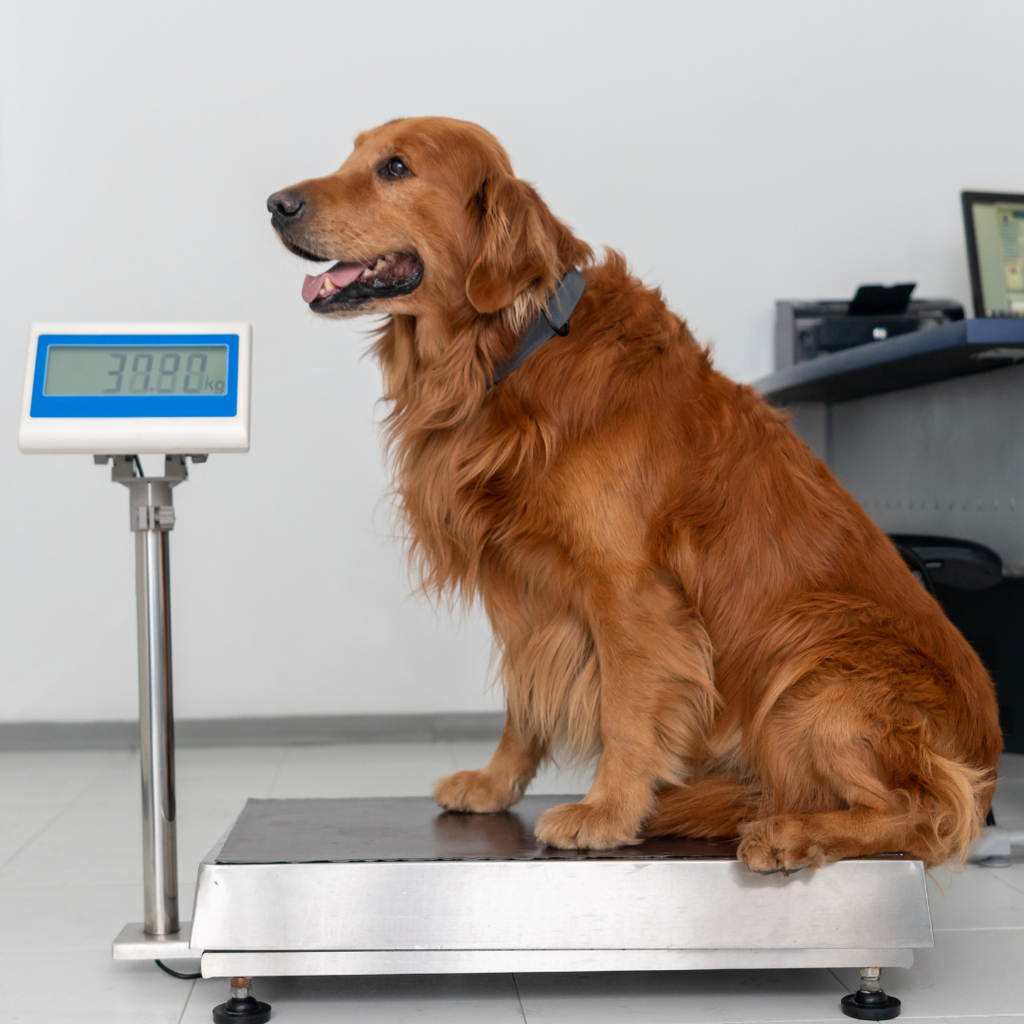
You might be looking at your dog or cat and wondering when they suddenly seemed heavier. The harness is tighter, the stairs are harder, and your once playful companion now spends more time sleeping than chasing toys. If you’re concerned about their health and weight, pet urgent care in Charlotte, MI can help you determine whether something more serious is going on or if lifestyle changes are needed. You may feel a mix of guilt, worry, and confusion, especially if you thought you were doing everything right with food and treats.end
That emotional weight is real. You love your pet. You want them to have a long and comfortable life, not one cut short by preventable health problems. At the same time, it can feel awkward to hear the word “obese” used about your pet, or to be told that those extra treats are causing harm.
General veterinarians understand this tension. Their role is not to shame you. Their job is to quietly and consistently monitor weight and body condition, catch early signs of trouble, and guide you through safe, realistic changes. In simple terms, how vets track weight and obesity in pets comes down to regular measurements, careful observation, and a structured nutrition plan built around your pet’s real life, not a perfect world.
So, where does that leave you today? It means that with the help of a general veterinarian, you can understand what is actually going on with your pet’s weight, learn how far things have gone, and take clear steps to turn it around without guesswork or blame.
Why weight and obesity in pets are about more than numbers on a scale
Maybe the first sign was the vet gently saying, “He has put on a little weight since last year.” Or maybe it was a sudden diagnosis. Arthritis. Diabetes. Early heart trouble. You might have walked out of the clinic thinking, “Is this because of his weight. Did I do this?”
Obesity in pets is not just a cosmetic issue. Extra weight increases the risk of joint pain, breathing problems, diabetes, high blood pressure, skin infections, and a shorter life span. According to the American Animal Hospital Association nutrition and weight guidelines, even a small amount of extra weight can change how a pet’s body works and how long they stay healthy. The FDA also highlights that weight management is one of the most powerful ways to help pets live longer, healthier lives. You can read more about that in the FDA’s resource on helping pets live healthier, thinner lives.
Because of this, your general veterinarian is not just weighing your pet out of habit. They are building a picture over time. They track trends. They compare the current weight to last year and the year before. They pair that number with what they see and feel when they examine your pet.
This is where the stress often grows. You might be thinking, “If my vet is watching all of this, why is my pet still overweight. What else am I supposed to do?”
How general veterinarians actually monitor weight and body condition
General vets use a mix of objective measurements and hands-on assessment to monitor pet obesity. It is not guesswork. It is a structured process that can be adjusted to your pet’s age, breed, and health.
Here is what usually happens behind the scenes, even if it feels like “just a quick weigh-in” to you.
1. Regular weigh-ins and tracking over time
Every visit, your pet is weighed. The number is entered into the medical record and compared to previous visits. Your vet is looking for patterns. Slow and steady gain year after year. Sudden spikes. Or weight loss that might signal illness.
For pets already overweight, a general veterinarian might recommend more frequent weigh-ins. Sometimes every 4 to 8 weeks. The goal is not to embarrass you. It is to catch small changes early and adjust the plan before things slide out of control.
2. Body Condition Score instead of just “fat” or “thin”
Vets use something called a Body Condition Score, often on a 1 to 9 scale. It is a structured way to describe whether a pet is underweight, ideal, or overweight, and by how much. The AAHA nutrition and weight management guidelines, which you can see in detail in this AAHA resource, provide clear charts and pictures to guide that scoring.
Your vet looks at your pet from the side and above. They feel for ribs, waist, and abdominal tuck. Then they match what they feel to the scoring chart. This turns vague comments like “a bit chunky” into something more precise, such as “Body Condition Score 7 out of 9. Overweight.”
3. Muscle Condition Score and mobility checks
Weight alone does not tell the full story. A pet can be heavy but weak, or light but still carrying too much fat because they have lost muscle. That is why many general vets also check muscle condition, especially in older pets or those with chronic disease.
They feel along the spine, shoulders, skull, and hips. They watch how your pet stands, walks, sits, and climbs. They may ask about stiffness in the morning or reluctance to jump. All of this helps them see how extra weight is affecting comfort and quality of life.
4. Nutrition and lifestyle history
Finally, your vet digs into the daily habits that most of us gloss over. What food, how much, how often, what kind of treats, who feeds, table scraps, exercise, and indoor or outdoor life. You might feel defensive when these questions come up, but they are not a test of your love. They are simply data that explains why weight is going up or not coming down.
So when you hear the phrase how veterinarians manage weight and obesity in pets, it is really about this blend of weighing, scoring, observing, and listening to your story at home.
Comparing “wait and see” to active veterinary weight management
One of the hardest choices is whether to act now or wait. Maybe your pet is only “a little” overweight, or you plan to cut back on treats on your own. So what is the difference between hoping it improves and working closely with a general veterinarian on a structured plan?
| Approach | What it looks like | Common results | Risks |
|---|---|---|---|
| “Wait and see” or DIY dieting | Owner guesses at portion cuts, maybe skips some treats, no regular weigh-ins, no formal pet weight management plan. | Weight might fluctuate. Often no meaningful long-term change. The pet may feel hungry or beg more. | Slow weight gain continues. Risk of nutrient deficiencies if food is cut too much. Health issues may go unnoticed until they are serious. |
| Active veterinary weight management | Regular vet visits. Measured food portions. Possible prescription diet. Tracked weight and body condition scores. | Gradual, steady weight loss. Better energy and mobility. Clear understanding of progress. | Requires time, consistency, and honest communication. Some financial cost for visits and possibly special diets. |
When you see the comparison laid out, the “wait and see” approach often rests on hope. The structured approach your general vet offers rests on data and small adjustments over time.
Three steps you can take with your vet to manage your pet’s weight
Once you are ready to move from worry to action, you do not need a perfect plan. You only need a starting point that you and your vet can build on together. Here are three concrete steps that fit into how general veterinarians monitor obesity in pets.
1. Ask for a clear body and muscle condition explanation
At your next visit, ask your vet to walk you through your pet’s Body Condition Score and, if relevant, Muscle Condition Score. Ask what “ideal” would look and feel like for your pet. A number on a chart is helpful, but seeing where ribs should be, where the waist should appear, and how the muscle should feel makes it real.
Questions you can ask.
- “What is my pet’s current Body Condition Score, and what is the goal?”
- “Can you show me how to feel for ribs and waist at home?”
- “Is my pet losing muscle as well as gaining fat?”
This turns a vague concern into a shared, specific target.
2. Work out an exact feeding and weigh-in schedule
Instead of just “feeding less,” ask your vet to calculate how many calories your pet should eat daily, and how that translates into cups or grams of food. If you are using treats, ask what percentage of daily calories they should be and which lower-calorie options might work better.
Then agree on how often to recheck the weight. For most pets on a weight loss plan, every 4 to 8 weeks is common. Mark those dates. Treat them as you would appointments for your own health.
At home, use the same measuring cup or a kitchen scale every time. If more than one person feeds the pet, write the plan down and keep it by the food. Consistency is what allows your vet to see whether the plan is working or needs adjustment.
3. Pair food changes with gentle, realistic activity
Weight control is not only about food. Your vet can help match exercise to your pet’s age, joints, and current fitness. For a young, otherwise healthy dog, that might mean longer walks and more play. For an older dog with arthritis or a cat that has been inactive, it might mean short, frequent movement sessions and low-impact play.
Ask your vet.
- “How much and what type of exercise is safe right now?”
- “Are there signs of pain I should watch for during activity?”
- “Would a joint supplement or pain control help my pet move more comfortably while losing weight?”
Gentle, consistent movement not only burns calories. It often improves mood and strengthens the bond between you and your pet, which makes the whole process feel less like a punishment and more like care.
Moving forward with confidence and compassion
It is easy to feel judged when the topic of pet obesity comes up. You might replay every extra treat in your mind or compare your pet to others at the park. Try to set that aside. Your general veterinarian is not measuring your worth as an owner. They are measuring your pet’s health risks so they can help you change the story from “I wish we had done something sooner” to “We caught this in time.”
By understanding how vets monitor weight, body condition, and lifestyle, you can step into those appointments with clearer questions and a stronger voice. You are not at the mercy of the number on the scale. You and your vet can shape what happens next, one small, steady change at a time.
If you are worried about your pet’s weight, bring it up at your next visit and ask for a structured weight management plan. Your pet does not care what the chart says. They only feel the difference when moving hurts less, breathing is easier, and they have more good days with you. That is the real goal of thoughtful, ongoing veterinary weight management.