
Before You Sand That Old Trim: What to Know About Lead Paint
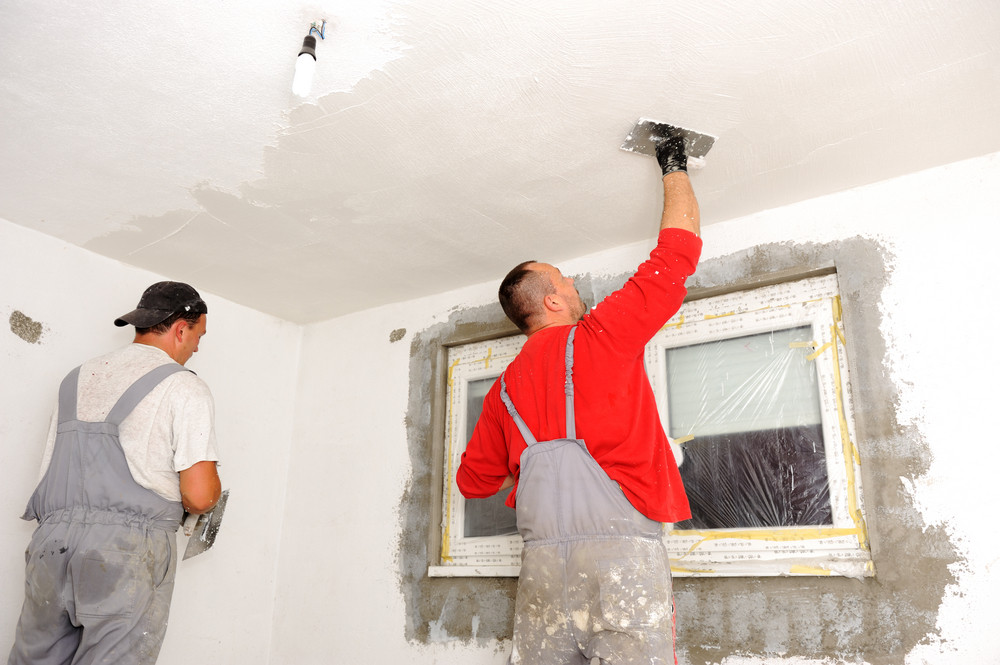
Older homes are full of charm, from detailed window casings to solid wood doors and built-in cabinets. Many homeowners want to refresh those features, whether by stripping them back to bare wood or giving them a new coat of paint. Before you pick up a sander or scraper, though, it’s important to understand what might be hiding under those layers of old paint. A little preparation can protect your family’s health while still delivering the updated look you want.
Why Older Homes Carry Hidden Risks
Lead was a common ingredient in household paint for decades because it made finishes more durable and helped them dry faster. The federal government banned lead-based paint for residential use in 1978, but millions of homes built before then still contain it beneath newer coats.
The older the house, the higher the risk. According to the EPA, 87% of homes built before 1940 have at least some lead-based paint. In many of these houses, it’s found on windows, doors, stair railings, and trim, the same areas homeowners are most eager to update.
Intact lead paint that isn’t chipping or peeling generally poses little danger. The problem starts when it’s disturbed. Sanding, scraping, or using high heat releases fine dust and fumes that can be inhaled or swallowed, and even small amounts can cause serious health problems, especially for young children and pregnant women.
Stripping Trim Back to Natural Wood
Bare wood is having a major moment in home design. Forbes reports that 80% of interior design experts consider natural, unpainted wood one of this year’s top building materials. Its warm grain and organic texture pair well with both modern and traditional styles, which makes old painted trim a tempting candidate for stripping.
If your home was built before 1978, test the paint before you start. Home test kits offer a quick first check, while a certified inspector can provide more reliable results. If lead is present, avoid dry sanding, power sanding, and open-flame torches, all of which create hazardous dust or fumes.
Safer approaches include chemical strippers designed for lead paint, wet scraping, and low-temperature heat tools. Seal off the work area with plastic sheeting, wear a properly fitted respirator, and clean up with a HEPA vacuum and damp cloths. For large projects, hiring an EPA-certified renovator is often the smartest choice.
Repainting Cabinets and Other Surfaces Safely
Not every homeowner wants to strip wood bare. A fresh coat of paint can transform a room for far less money, and it’s one of the most popular updates in older homes. According to This Old House, kitchen cabinets rank among the cabinets homeowners repaint most often.
Repainting still requires care when lead may be present. Light surface prep, like scuffing with a damp sanding sponge, creates far less dust than aggressive sanding. Be sure to remove loose or flaking paint carefully, wipe surfaces clean, and apply a quality primer that bonds well with older finishes.
In some cases, painting over lead paint, a process called encapsulation, is a practical way to contain the hazard. Specialty encapsulating coatings form a durable barrier, but they only work on surfaces in good condition. Doors and windows that rub when opened and closed may need extra attention, since friction can wear through new coats over time.
Updating With Confidence
Refreshing the woodwork in an older home can bring out its character and make it feel brand new. By testing for lead, choosing safe removal or painting methods, and calling in professionals when needed, you can enjoy beautiful results without putting your household at risk.