
Repair or Replace? Knowing When Your Well Pump Has Had Enough
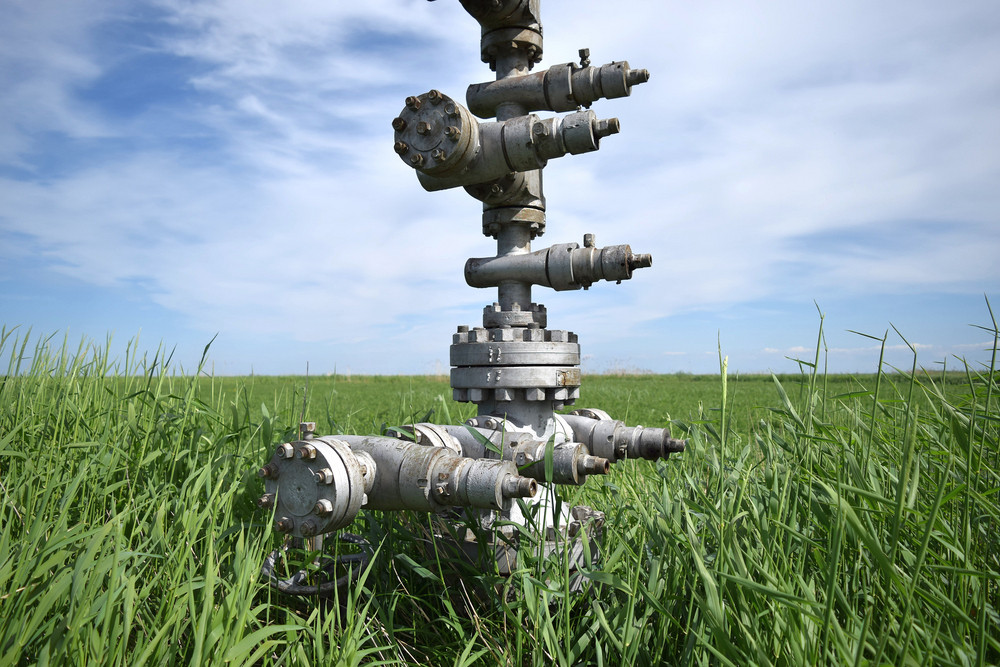
Ensuring a steady water supply in a home often hinges on the well pump’s performance. These devices are integral, especially in rural and remote locations that rely heavily on groundwater. Understanding when to invest in a replacement or stick with repairs can save homeowners unnecessary stress and avoid high costs.
Knowing the Lifespan of Your Well Pump
Regular maintenance is the key to prolonging the lifespan of any home equipment, and a well pump is no exception. According to industry experts like Home Advisor, well pumps generally function efficiently for 8 to 15 years. Regular inspections can uncover issues early, ensuring the pump doesn’t fail unexpectedly.
While age is a top consideration, the pump’s workload also plays a significant role in its longevity. A pump that services a large home or one requiring high volumes of water may experience wear more quickly. To maximize lifespan, ensure the pump’s capacity suits the household demand.
A well pump closer to the 15-year mark could be nearing its end, especially if it’s needed repairs in the past. Even with careful use, no pump remains immune to the effects of time. Investing in routine check-ups helps gauge its condition more accurately.
When to Consider Replacing Your Well Pump
There comes a time in every pump’s life when replacement becomes not just advisable, but necessary. HomeGuide recommends assessing replacement seriously when a pump has been in operation for over 10 to 15 years, particularly if it has faced frequent issues. A breakdown doesn’t just affect water pressure; it can lead to more extensive damage within the home.
Ignoring multiple repairs can accumulate higher costs than simply transitioning to a new installation. A reliable professional can offer insights into whether repairs will suffice or if a replacement is imminent. Timely decision-making contributes to a stable, uninterrupted water supply.
A significant drop in water efficiency might just be the trigger to consider replacing the well pump. If the pump struggles to meet daily water needs, it’s a sign. Proactive measures can prevent situations where freshwater access becomes compromised.
Depth Matters in Replacement Decisions
The depth of a residential well plays an instrumental role in its function and longevity. HomeGuide notes that wells typically range from 100 to 300 feet in depth, but this varies based on local groundwater levels. The pump’s capacity must align with well depth for optimal performance.
Deeper wells put additional strain on the pump, potentially reducing its effective lifespan. This highlights the importance of ensuring the pump’s capability matches the depth demands. In cases where a well has been drilled deeper over time, a reevaluation of pump capacity could be necessary.
Changes in groundwater levels or a deepened well can also mean an upgrade in pump technology or capacity is needed. Regularly assessing these aspects ensures the water flow remains reliable. It’s an integral part of the home’s broader utilities management strategy.
Final Thoughts: Protecting Your Home’s Water Supply
Making informed decisions about well pump maintenance and replacement safeguards a household’s continuous access to fresh water. The costs and inconvenience of unexpected outages can be minimized with diligent attention and, when needed, timely investments in new equipment. Adopting a strategic approach to maintenance pays off in the long run.
Being proactive about well management not only extends the pump’s life but also enhances overall home efficiency. A comprehensive maintenance plan helps navigate the decision between repairing and replacing more smoothly. Homeowners should remain educated on the latest advancements and adapt as necessary.
Discerning whether to repair or replace your well pump hinges on recognizing the signs and acting promptly. Regular checks and understanding the intricacies of well depth and equipment performance are an invaluable part of the process. Careful management and a proactive attitude ensure the home retains access to clean, reliable water at all times.