
Building Healthy Foundations for a Child’s First School Years
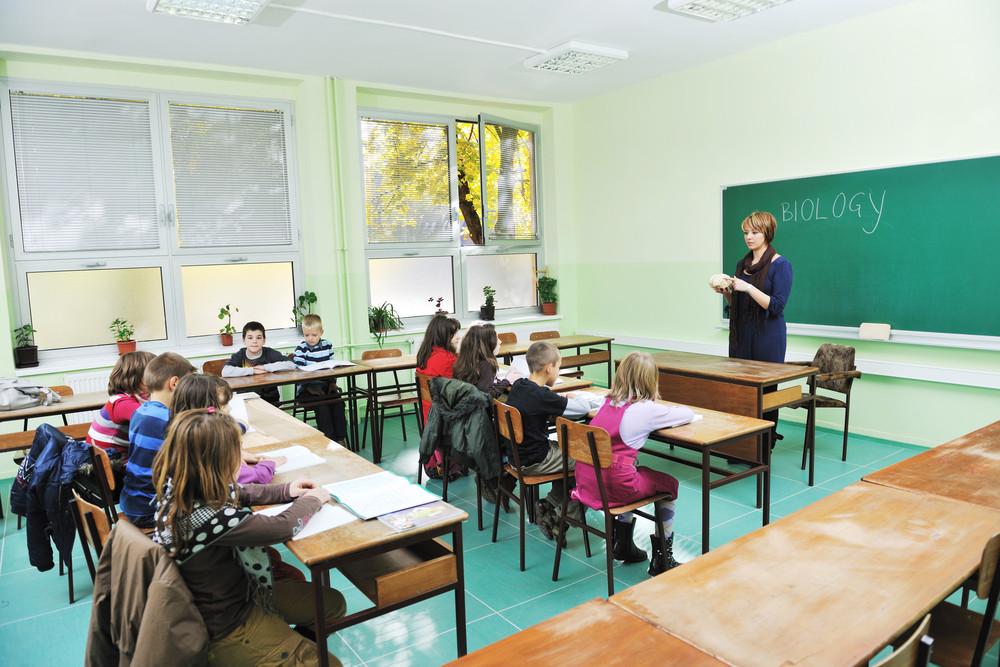
A child’s first school years play an important role in shaping their physical, emotional, and social development. During this time, children begin building relationships, developing communication skills, and learning habits that can influence their future well-being. Creating a healthy foundation involves more than preparing children for academic activities. It also means providing supportive learning environments, encouraging healthy routines, and addressing developmental needs early. Parents and educators can work together to help young children feel comfortable, confident, and ready to learn.
In this article, we’ll discuss the importance of early childhood environments, healthy routines, and supportive educational experiences during a child’s first school years.
Creating Supportive Learning Environments
Young children benefit from learning environments where they receive individual attention and have opportunities to explore their surroundings. A supportive classroom gives children room to develop independence while providing guidance when they need assistance. Teachers can encourage this development through age-appropriate activities, interactive play, storytelling, and group experiences.
Classroom staffing also plays an important role in the quality of early childhood education. According to ZeroToThree, a ratio of 1 adult for every 4 children under the age of three is recommended. Smaller child-to-adult ratios allow educators to provide more individualized attention, recognize children’s needs, and support their development throughout the day.
A welcoming environment can also help children feel secure as they adjust to a structured school setting. Consistent routines, positive encouragement, and opportunities for social interaction help young learners become more comfortable expressing themselves and participating in classroom activities.
Encouraging Healthy Daily Habits
The habits children develop during their early years can influence their health and well-being as they grow. Establishing consistent routines around meals, sleep, hygiene, and physical activity helps children understand the importance of taking care of themselves. These habits can also create a sense of stability as children transition into school schedules.
Nutrition is another important part of building healthy foundations. Offering balanced meals and snacks with fruits, vegetables, whole grains, and other nutritious foods can support children’s energy levels and development. Educators and parents can reinforce healthy eating habits by introducing different foods and making mealtimes positive experiences.
Physical activity should also be part of a child’s daily routine. Outdoor play, dancing, playground activities, and movement-based games give children opportunities to develop coordination and strengthen motor skills. These experiences also encourage social interaction and allow children to explore their interests.
Prioritizing Dental Health and Attendance
Oral health is an important part of a child’s overall development, particularly during the early school years. Healthy teeth support chewing, speaking, and everyday comfort. Establishing regular brushing habits, encouraging appropriate dental hygiene, and scheduling routine dental visits can help children maintain healthy smiles.
Dental problems can also interfere with children’s ability to participate in school. According to the American Academy of Pediatric Dentistry’s 2025 Reference Manual policy on school absences, the number of school hours lost each year because of dental-related illness exceeds 51 million. This demonstrates how untreated dental concerns can affect educational participation and make it harder for children to maintain consistent attendance.
Parents and educators can help by teaching children age-appropriate oral hygiene practices and recognizing signs of potential dental discomfort. Addressing dental concerns early may prevent problems from becoming more disruptive to a child’s daily routine.
Supporting Emotional and Social Development
According to USAFacts.org, by age five, 85.4% of kids are in school. This makes the early childhood years an important opportunity to establish positive learning experiences, encourage social development, and introduce healthy routines that children can carry into their future education.
A healthy school experience also involves helping children develop emotional awareness and positive relationships. Young learners are still discovering how to communicate their feelings, share resources, resolve disagreements, and interact with others. Teachers can support these skills through cooperative activities, guided play, and positive reinforcement.
Children should also have opportunities to make choices and practice independence. Simple responsibilities, such as putting away toys, selecting an activity, or helping organize classroom materials, can encourage confidence and a sense of responsibility.
Communication between parents and educators is equally valuable. Sharing observations about a child’s interests, challenges, and progress helps create consistency between home and school. This partnership can make it easier to recognize developmental needs and provide appropriate support.
Building healthy foundations during a child’s first school years requires attention to physical health, emotional development, and educational experiences. Supportive classroom environments, consistent daily routines, proper dental care, and positive relationships all contribute to a child’s well-being. When parents and educators work together to address these needs, children have more opportunities to develop confidence, build essential skills, and establish habits that support lifelong learning.
