
Grow Your Own Wellness: The Health Benefits of Home Gardening
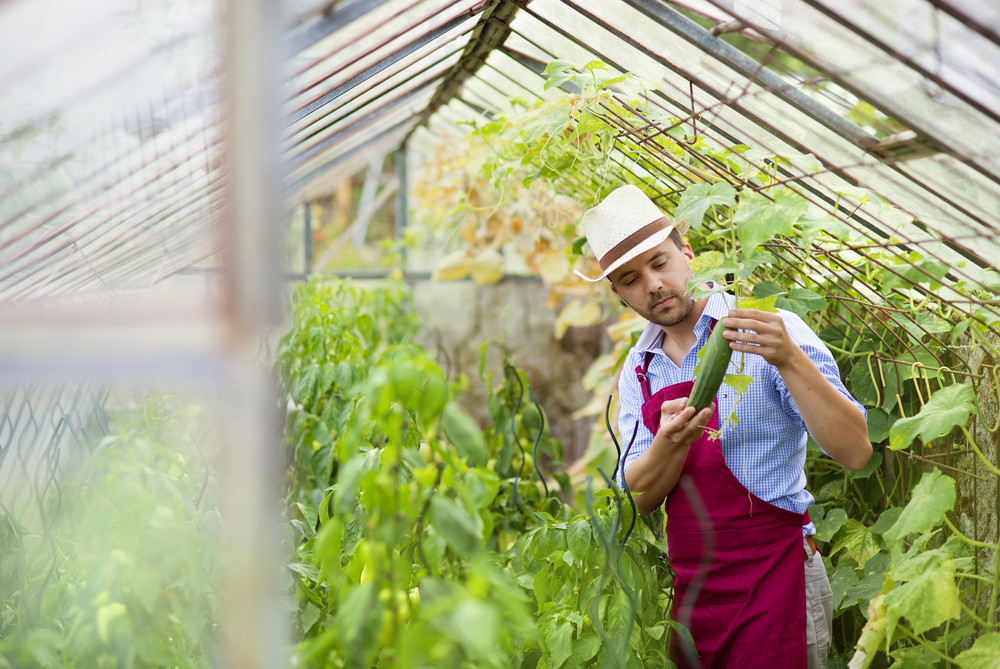
There’s something deeply satisfying about picking a ripe tomato off the vine or snipping fresh basil for tonight’s dinner. Home gardening has grown from a weekend hobby into a lifestyle choice for many people, and for good reason. Tending a garden gets you outside, keeps your body moving, gives your mind a break from screens, and puts fresh, flavorful food on your table. Whether you have a sprawling backyard or a sunny balcony, growing your own food can be one of the simplest ways to invest in your well-being.
A Growing Movement Toward Homegrown Food
More people are discovering the joy of growing what they eat. According to Method, 67% of adults are growing or plan to grow edible plants at home. From herbs on the windowsill to raised vegetable beds, homegrown food has become part of everyday life for many households.
Part of the appeal is the connection to what’s on your plate. When you grow your own produce, you know exactly how it was raised and when it was picked. Freshly harvested fruits and vegetables often taste better, and having them right outside your door can make it easier to add more produce to your meals.
Gardening also offers benefits beyond the kitchen. Digging, planting, weeding, and watering provide gentle physical activity that can help keep you moving. Spending time outdoors in natural light and fresh air can be calming, and many gardeners say the routine of caring for plants helps them unwind and feel more grounded. Gardening with family or friends can also become a meaningful shared activity.
Mindful Watering for a Healthier Garden
Healthy plants need water, but how you water matters for both your garden and the environment. Overwatering can lead to root problems and disease, while wasted water adds to your utility bill and strains local supplies.
A forgotten hose is a common culprit. According to the Environmental Protection Agency, a hose left running can waste six gallons of water per minute. Just a few minutes of distraction can send a surprising amount of water down the drain instead of to your plants’ roots.
Build mindful watering habits into your gardening routine. Use a shut-off nozzle on your hose, or consider drip irrigation or soaker hoses that deliver water directly to the soil. Adding mulch around plants helps retain moisture, and collecting rainwater in a barrel gives you a free, natural water source for your garden.
Time Your Watering for Healthier Results
When you water can be just as important as how much. Watering at the wrong time of day can leave plants thirsty, encourage disease, or waste water to evaporation. A simple shift in timing can help your lawn and garden thrive with less effort.
Better Homes and Gardens recommends watering a lawn between 4 a.m. and 8 a.m. During those early hours, temperatures are cooler, and winds are usually calmer, so more water soaks into the soil instead of evaporating. Grass also has the rest of the day to dry, which helps reduce the risk of fungus and disease that can develop when blades stay wet overnight.
If waking up that early isn’t realistic, a simple timer or smart irrigation controller can handle the job for you. Many smart systems adjust watering schedules based on weather forecasts, skipping cycles when rain is expected. Pairing early-morning watering with deep, less frequent sessions encourages strong roots, helping your lawn and garden stay healthy through hot, dry stretches. It’s an easy habit that turns yard care into a calm, rewarding part of your morning routine.
Planting the Seeds of a Healthier Life
Home gardening offers fresh food, gentle exercise, and a welcome dose of calm in a busy world. By joining the growing number of people raising edible plants, watering mindfully, and timing your watering for the best results, you can cultivate a healthier lifestyle right in your own backyard.