
Effective Management of Debt and Bankruptcy
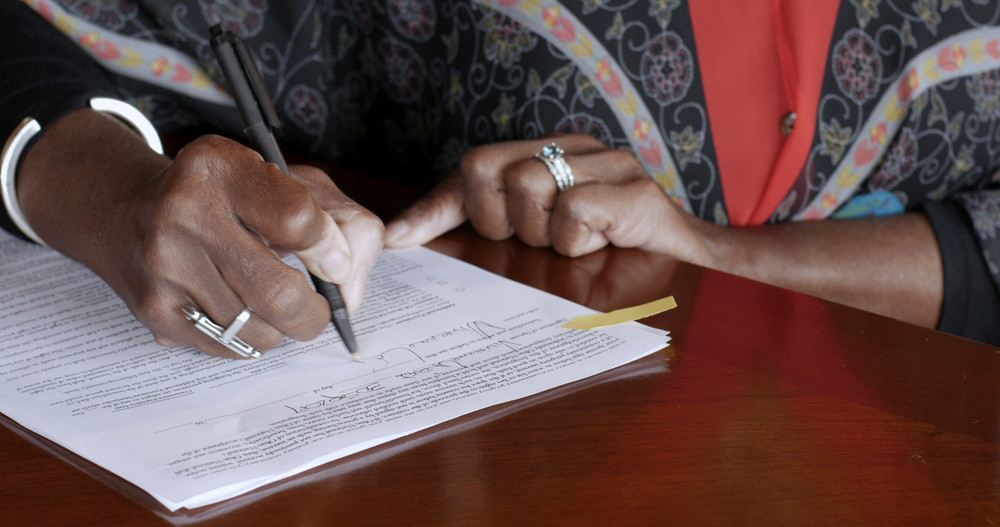
Managing debt effectively is an essential component of maintaining a healthy financial lifestyle. With rising financial obligations and unexpected expenses, many individuals find themselves struggling to keep up with payments. Understanding the nuances of debt management and the options available, including bankruptcy, can profoundly impact one’s financial health and future stability.
Understanding the Importance of Communication
One of the crucial steps in managing debt is establishing a consistent line of communication with creditors. According to Forbes, to effectively recover outstanding invoices, it is imperative to maintain ongoing communication with clients who have defaults. Adopting this strategy not only showcases professionalism but also keeps debtors informed about their obligations and encourages timely payments.
For individuals or businesses dealing with clients who delay payments, follow-up communication is a valuable tool for debt recovery. By engaging in regular updates or reminders regarding unpaid invoices, you emphasize the importance of fulfilling financial responsibilities. Such proactive approaches in communication can oftentimes lead to resolutions without further legal complications or requirements to seek debt relief options like bankruptcy.
Furthermore, maintaining open dialogue provides an avenue to discuss possible adjustments to payment plans, reflecting a willingness to find mutual solutions. This strategy is not only beneficial for debt recovery but also fosters positive business relationships. Effective communication, therefore, becomes a cornerstone of maintaining a financially sound lifestyle without resorting to extreme measures.
The Reality of Rising Bankruptcy Filings
Bankruptcy remains a significant reality for many households, creating a substantial impact on financial and personal lives. According to debt.org, by the year 2025, projections indicate that one in every 55 households will experience the need to file for bankruptcy. Such statistics highlight the growing challenges in managing financial obligations amidst increasing living costs and economic uncertainties.
The decision to file for bankruptcy is never easy, as it involves a thorough evaluation of one’s financial standing and potential repercussions. However, for some, it becomes an inevitable step to regain control over escalating debts. Awareness and understanding of the bankruptcy process can serve as a form of relief and a structured path towards financial recovery.
Exploring bankruptcy as a debt relief avenue necessitates careful consideration of its types and implications. Chapter 7 and Chapter 13 remain the most common forms of bankruptcy, each serving different situations. While Chapter 7 focuses on liquidation, Chapter 13 offers a reorganization plan, reflecting different strategies in tackling debt challenges effectively.
Navigating Chapter 13 Bankruptcy Relief
Among the various bankruptcy options, Chapter 13 provides a structured repayment approach for individuals facing unsecured debts. According to the U.S. Courts, those having unsecured debts below $526,700 are eligible to seek Chapter 13 relief. This option enables debtors to reorganize their finances and propose a payment plan to repay debts over time.
Chapter 13 bankruptcy stands out as a viable option for individuals who have a steady income and wish to retain their assets while paying off their debts. This form of relief provides an opportunity to catch up on overdue payments through a manageable monthly repayment plan, thus helping to maintain a sustainable lifestyle. Choosing this path may alleviate the pressures associated with debt while fostering a realistic plan for financial rehabilitation.
It is important to understand the criteria and implications of Chapter 13 to make informed decisions about debt management. With the legal framework supporting those who qualify, individuals can avert the immediate loss of property usually associated with financial insolvency. By taking advantage of such measures, debtors can fulfill their obligations while gradually restoring their creditworthiness.
Effective management of debt and bankruptcy requires a blend of strategic communication, understanding available options, and making informed decisions. By incorporating consistent dialogues with creditors and exploring structured relief measures like Chapter 13, individuals can navigate their financial challenges with greater confidence. Proactively managing debts not only aids in maintaining a balanced financial lifestyle but also paves the way for future economic stability.
As financial landscapes evolve, continuous evaluation of personal finances and potential debt management solutions becomes imperative. Understanding the tools and options available equips individuals with the knowledge to tackle debts effectively and responsibly. Through careful planning and clear communication, debtors can achieve relief and embark on a path toward financial recovery.