
IVF Overview and Definition: A Complete Guide for Patients
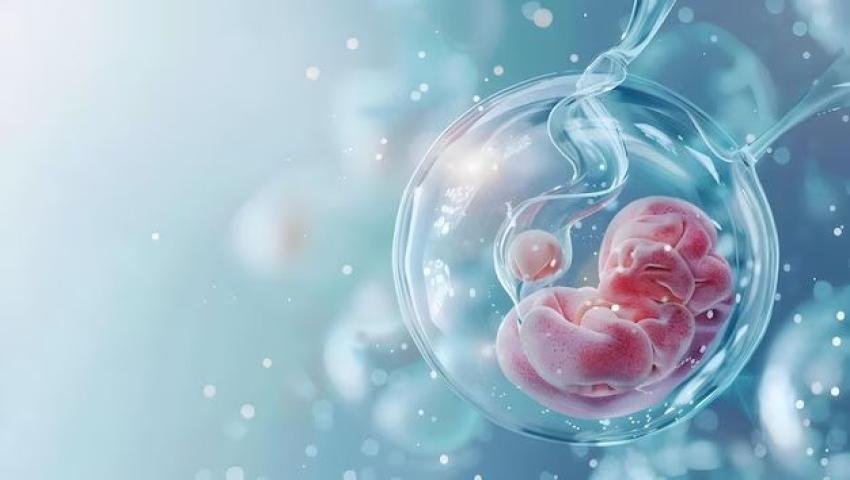
In vitro fertilization (IVF) is one of the most widely used assisted reproductive technologies in modern medicine. It offers hope to couples and individuals who are facing challenges with natural conception. Over the years, IVF has helped millions of families achieve pregnancy through safe and controlled medical procedures. Trusted healthcare providers such as Liv Hospital provide advanced fertility care with a focus on patient safety, comfort, and success.
What Is IVF?
IVF, or In Vitro Fertilization, is a fertility treatment where eggs are collected from a woman’s ovaries and fertilized with sperm in a laboratory. Once fertilization occurs, the resulting embryo is transferred into the uterus to achieve pregnancy.
The term “in vitro” means “outside the body,” which refers to the fertilization process taking place in a controlled lab environment rather than naturally inside the fallopian tubes.
Patients can learn more about IVF Overview and Definition to better understand how this treatment works and what it involves.
Why Is IVF Used?
IVF is recommended for couples experiencing different types of fertility challenges. It is commonly used in cases such as:
- Blocked or damaged fallopian tubes
- Low sperm count or poor sperm quality
- Ovulation disorders
- Endometriosis
- Unexplained infertility
- Age-related fertility decline
In many cases, IVF becomes the most effective option when other treatments have not worked.
How Does IVF Work?
IVF treatment involves several important steps that are carefully monitored by fertility specialists.
Ovarian Stimulation
Doctors prescribe hormonal medications to stimulate the ovaries and produce multiple eggs instead of one.
Egg Retrieval
Once the eggs are ready, they are collected through a minor medical procedure performed under sedation.
Fertilization
The eggs are combined with sperm in a laboratory to create embryos.
Embryo Transfer
A healthy embryo is selected and transferred into the uterus, where it may implant and result in pregnancy.
Who Can Benefit from IVF?
IVF is suitable for:
- Couples struggling with long-term infertility
- Women with blocked or damaged reproductive organs
- Men with sperm-related fertility issues
- Individuals requiring donor eggs or sperm
- Patients who have not succeeded with other fertility treatments
Each case is carefully evaluated before starting treatment to ensure the best possible outcome.
Success Factors in IVF
The success of IVF depends on several factors, including:
- Age of the patient
- Quality of eggs and sperm
- Lifestyle habits
- Underlying medical conditions
- Expertise of the fertility clinic
Advancements in reproductive medicine have significantly improved IVF success rates in recent years.
Final Thoughts
IVF is a revolutionary fertility treatment that has transformed the lives of many couples around the world. Understanding the IVF Overview and Definition helps patients make informed decisions and approach treatment with confidence.
With expert care from centers like Liv Hospital, many individuals can take a hopeful step toward achieving their dream of parenthood.
