
Less Waste, More Space: Building Smarter With Pole Barns
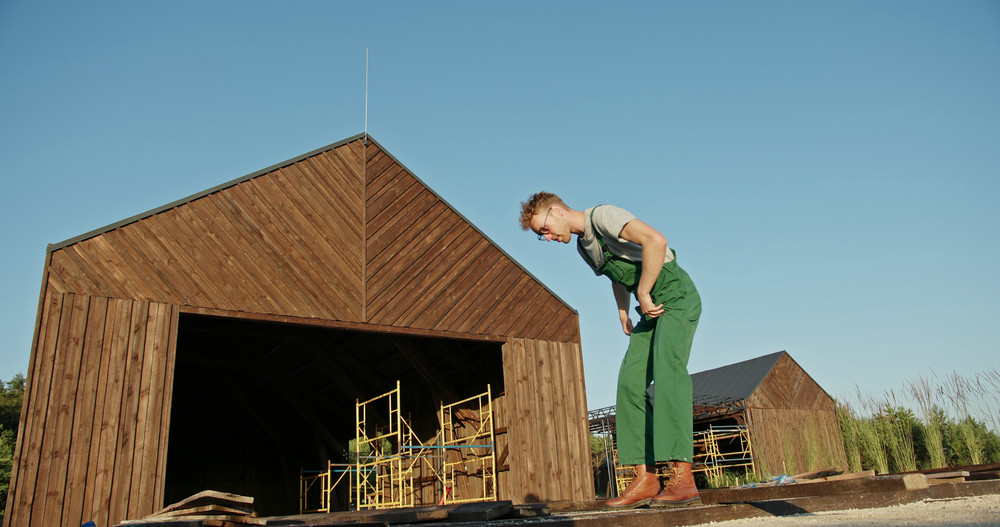
In today’s world, the need for efficient construction solutions that minimize waste while maximizing usable space is more critical than ever. Pole barns emerge as a revolutionary approach to both residential and commercial construction, offering a sustainable method that meets the architectural needs of our time. With their ability to reduce waste and maximize open spaces, pole barns are a viable option for those looking to innovate without compromising environmental responsibility.
Efficiency and Speed: The Hallmarks of Pole Barn Construction
Pole barns stand out for their rapid construction timelines, allowing projects to be completed faster compared to traditional building methods. As highlighted by House Plans, these structures can be erected in a mere 4 to 8 weeks on average, making them an excellent choice for time-sensitive projects. This swift completion time not only reduces labor costs but also minimizes the downtime commonly associated with more conventional construction methods.
Constructing a pole barn requires fewer materials, which inherently diminishes the ecological footprint of the building process. The simplicity of the design enables constructors to be more resource-efficient, preventing unnecessary waste. In an era where environmental impact is a significant concern, choosing construction methods that emphasize sustainability is not just wise but necessary.
Moreover, pole barns offer adaptability due to their design, which can easily be customized to fit various needs without extensive modification. This flexibility ensures that whether the need is a spacious warehouse or a cozy home, pole barns can accommodate. The reduced need for rework and adjustments translates into less waste and more efficient use of resources.
Longevity and Durability: A Century of Usefulness
Durability is another significant advantage that pole barns have over their counterparts, contributing to their long-term sustainability. According to Home Guide, typical pole barns have a lifespan of 40 to 60 years, but with meticulous maintenance, this can extend to a remarkable 100 years. This extended lifespan means that the environmental and financial cost per use is minimized over time, further cementing them as a sustainable building choice.
Maintenance of pole barns is straightforward and cost-effective, which ensures that they remain in good condition for decades. Regular inspections coupled with minor repairs prevent major issues, aiding in prolonging the life of these structures. The ability to withstand various climatic conditions also makes them a reliable choice for property owners looking for longevity.
This robustness against the elements ensures that pole barns remain a steadfast structure capable of withstanding the test of time. The materials used in their construction have improved over the years, which has enhanced their resilience against environmental damage. As technology advances, newer installations only become stronger, positioning pole barns as the construction choice of the future.
Environmental Impact: Reducing Global Construction Waste
On a global scale, the construction industry significantly contributes to environmental degradation, primarily through waste. Estimates by WifiTalents projected construction waste to surpass 2 billion tons by 2025, highlighting an urgent need for more sustainable practices. Pole barns, with their minimal waste production during construction, present an effective solution to mitigate this growing concern.
By employing fewer construction materials and generating less waste, pole barns play a pivotal role in reducing the overall environmental impact. This advantage is due to the streamlined construction process, which involves fewer steps and less material cutting, leading to better efficiency. Emphasizing structures like pole barns can help drive global efforts to curtail construction-induced pollution.
Embracing pole barns as a standard practice can significantly alter the current trends in waste production within the building industry. Their innovative design not only meets immediate architectural needs but also aligns with global sustainability goals. Moving forward, pole barns serve as a model for how building practices can evolve to become more eco-friendly while still delivering functional, comfortable spaces.
The adoption of pole barns aligns with a progressive vision of what modern construction should entail – efficiency, sustainability, and durability. As we continue to confront the challenges posed by environmental degradation and excessive waste, pole barns offer a glimmer of hope. They exemplify how the industry can adapt to meet the demands of the present while safeguarding the resources of the future.