
Low-Maintenance Landscaping: Designing a Beautiful, Drought-Tolerant Outdoor Haven
Designing a low-maintenance, drought-resistant landscape can transform your outdoor space into a stunning sanctuary, all while staying environmentally friendly. With water conservation becoming increasingly important, homeowners are turning to innovative landscaping solutions. This approach not only saves on utility bills but also creates a lush yet sustainable environment to enjoy with family and friends.
The Benefits of Drought-Tolerant Landscaping
Drought-tolerant landscaping significantly reduces water usage, which is crucial for maintaining a sustainable household. With around 55% of U.S. households having a garden, according to RubyHome, more families can adapt these practices for greener living. Implementing such landscapes into your home ensures a year-round vibrant look without the need for constant watering.
This type of landscaping also boosts property value, making it an appealing option for homeowners. A thoughtfully designed garden can enhance curb appeal, showcasing the home’s beauty and functionality. As these landscapes require minimal maintenance, they reduce the time and effort needed to keep your garden looking its best.
Furthermore, a drought-resistant landscape supports local ecology by providing a habitat for native species. Incorporating native plants and trees allows for a harmonious environment, promoting biodiversity. This contributes to a balanced ecosystem and can even attract beneficial wildlife to your outdoor oasis.
Design Techniques for Low-Maintenance Gardens
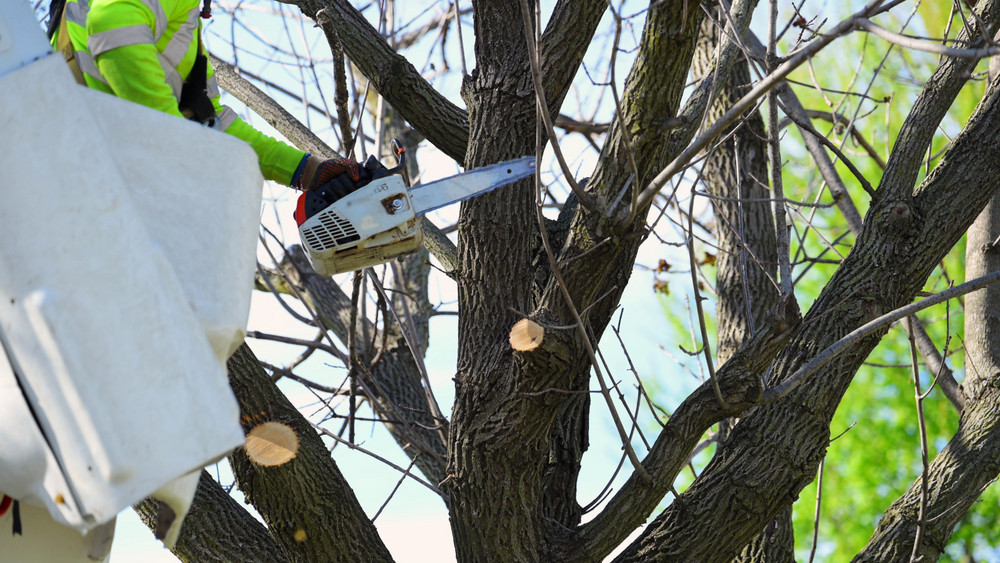
When it comes to design, emphasizing native and climate-appropriate plants is key to a successful, low-maintenance garden. Grouping plants with similar water and sunlight needs creates an efficient, self-sustaining system. According to Lawn Love, tree trimming is recommended every three to five years, which can be integrated into your routine to maintain plant health and structure.
Landscape layout also plays a vital role, with many adopting hardscaping and xeriscaping methods into their garden designs. These methods include using decorative stones, gravel, and mulch to minimize plant needs and maintenance. Hard surfaces like patios and paths not only reduce grass area but create functional outdoor spaces for relaxation and entertainment.
Integrating water-efficient irrigation systems can further support your drought-tolerant garden. Drip irrigation, for example, provides targeted watering that minimizes waste and promotes deep root growth. Combining these techniques can significantly enhance your garden’s beauty, contributing to a welcoming vibe for guests visiting your home.
Budgeting and Long-Term Investment
Transitioning to a low-maintenance landscape may initially require investment, but the long-term savings and benefits are substantial. By utilizing drought-tolerant plants and efficient irrigation systems, homeowners can drastically cut down on water bills. According to HomeLight, investing in outdoor construction, like a screened-in porch, can also achieve an impressive 87% return on investment.
Financial planning is essential when revamping your landscape, ensuring that each element is cost-effective and sustainable. Focusing on hardy plants and affordable materials helps keep costs down, while still achieving durability and visual appeal. This, in turn, allows homeowners to allocate more resources for long-term landscaping benefits and home projects.
A well-designed low-maintenance garden represents not only a nurturing space but a conscious choice towards sustainable living. Considering these aspects reinforces the idea of the home as a personal haven that aligns with environmental values. This approach ensures that your garden remains a thriving, elegant feature of your property for years to come.
In conclusion, low-maintenance landscaping offers both aesthetic and environmental advantages. By following these guidelines, homeowners can foster a beautiful outdoor space that requires minimal upkeep yet provides maximum enjoyment. This pursuit of harmony between nature and home life represents a meaningful step towards sustainability.