
What Questions Should You Ask Fiberglass Pool Contractors Before Hiring?
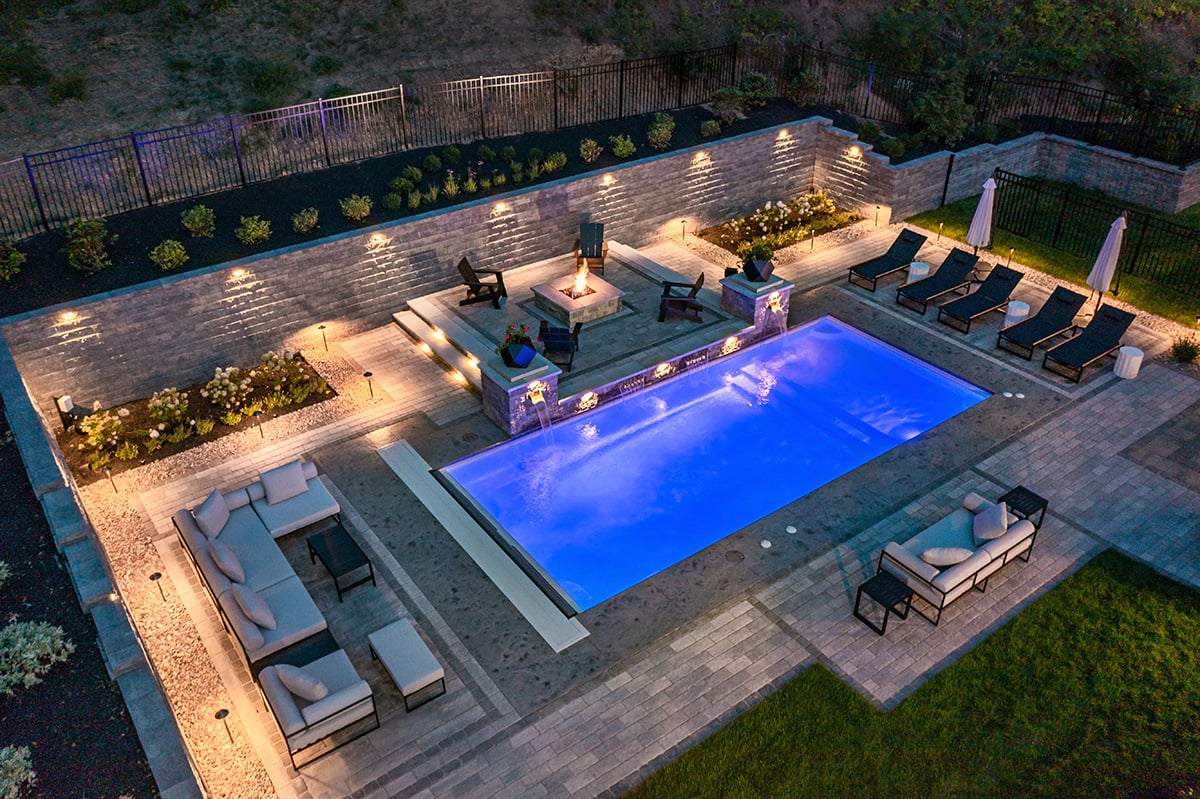
Hiring a pool contractor feels simple until you’re sitting across from someone who sounds confident, has a polished brochure, and tells you exactly what you want to hear. The problem is, most homeowners don’t know enough about fiberglass pool installation to push back or dig deeper, and some contractors know that. So they keep things vague, rush you toward a signing, and the problems show up six months later when the pool is already in your backyard, and they’re onto their next job.
The good news is that you don’t need to be an expert to protect yourself here. You simply have to ask the questions that distinguish the contractor who knows his business from one who is a good salesman but isn’t really a good builder. This is precisely what you should be asking before deciding on any contractor.
How Many Fiberglass Pools Have You Installed, and Can I See Some of Them?
This is the first question, and it matters more than any certification or badge on their website. Experience with fiberglass pool installation specifically is what you’re after, not just general pool construction. Fiberglass pools have their own set of requirements around site preparation, backfill materials, plumbing placement, and shell handling.
An experienced concrete contractor may not necessarily feel as comfortable dealing with the subtleties involved in fiberglass construction, regardless of what they might say. Make sure to ask for client references who have actually used their fiberglass services, and not simply a portfolio that features some nice photos. It is always best if you can view an existing installation in person.
Who Actually Does the Installation, Your Team or Subcontractors?
This one surprises a lot of homeowners. Many companies only sell their jobs and then hand the real work off to subcontractors. That’s not always a dealbreaker, but it does change the accountability picture significantly. If something goes wrong mid-installation, who’s responsible? The company you hired or the sub they brought in?
A good fiberglass pool contractor will be transparent about how their team is structured and who’s on-site during critical stages of the build. If they’re evasive about this, that’s worth noting.
What Does the Installation Process Look Like From Start to Finish?
A contractor who knows their work should be able to walk you through the entire fiberglass pool installation process clearly and without hesitation, site excavation, shell delivery and placement, backfill material, plumbing and electrical connections, decking prep, and final inspection.
If they’re giving you vague answers or skipping over steps, it suggests either inexperience or a lack of transparency about how they actually operate. You don’t need to understand every technical detail, but you should come away from this conversation feeling like you understand what’s going to happen in your yard and in what order.
What’s Included in the Warranty and What Isn’t?
Warranties in the pool industry can look impressive on paper and mean very little in practice. There’s typically a manufacturer’s warranty on the fiberglass shell itself and a separate workmanship warranty from the contractor. Make sure you understand both what’s covered, for how long, and what voids the warranty.
Some contractors include exclusions that are so broad they essentially cover nothing. Ask them to walk you through a specific scenario: if the shell develops a stress crack two years after installation, what happens? Who pays? Who comes out to fix it? How you get clarity on this question tells you a lot about who you’re dealing with.
How Do You Handle Site-Specific Challenges?
Every residential yard has its own quirks, soil type, drainage patterns, slope, access limitations, and proximity to existing structures. A fiberglass pool contractor worth hiring will ask you questions about your site before giving you a quote, not after. If someone hands you a fixed price without ever walking your property or asking about your soil conditions and drainage, be cautious.
The installation of fiberglass pools relies heavily on the conditions on the ground, and when a contractor doesn’t consider these factors early on, he either cuts his estimates or intends to inflate them later on after encountering some “unexpected problems”.
The Right Contractor Makes All the Difference
A fiberglass pool is a long-term addition to your home, one that should give you years of low maintenance, great durability, and genuine daily enjoyment. But all of that depends entirely on the quality of the installation. The shell itself is only part of the equation. How it’s placed, what’s used to support it, how the plumbing is run, and how the site is prepared, those decisions are made by the contractor, not the manufacturer, and they directly determine how well your pool holds up over time.
Visit Life Scape Pools to connect with a team that’s ready to answer every question you have, and a few you haven’t thought of yet. Because when it comes to your pool, the right conversation upfront is what makes everything go right afterward.
FAQs
1. How long does fiberglass pool installation typically take?
For most residential projects, fiberglass pool installation runs between two and four weeks from excavation to water-ready, assuming no major site complications or permit delays.
2. Is fiberglass a good choice for colder Canadian climates?
Yes. Fiberglass pools handle freeze-thaw cycles well and are generally less prone to cracking than concrete in cold climates, provided the backfill and drainage are done correctly.
3. Can fiberglass pools be customised in size and shape?
Fiberglass pools come in pre-manufactured shell sizes and shapes, so customisation is more limited than with concrete. However, there’s a wide range of options available, and most homeowners find a configuration that fits their space well.
4. What backfill material should be used for fiberglass pool installation?
Most experienced contractors use a mix of gravel or a flowable fill material. Avoid contractors who use plain dirt or sand as backfill, it can shift over time and put stress on the shell.
5. How do I verify a contractor’s fiberglass-specific experience?
Ask for a list of completed fiberglass projects with client contacts you can actually call. A contractor confident in their work won’t hesitate to connect you with past clients directly.
