
Why Professional Retaining Wall Installation Matters
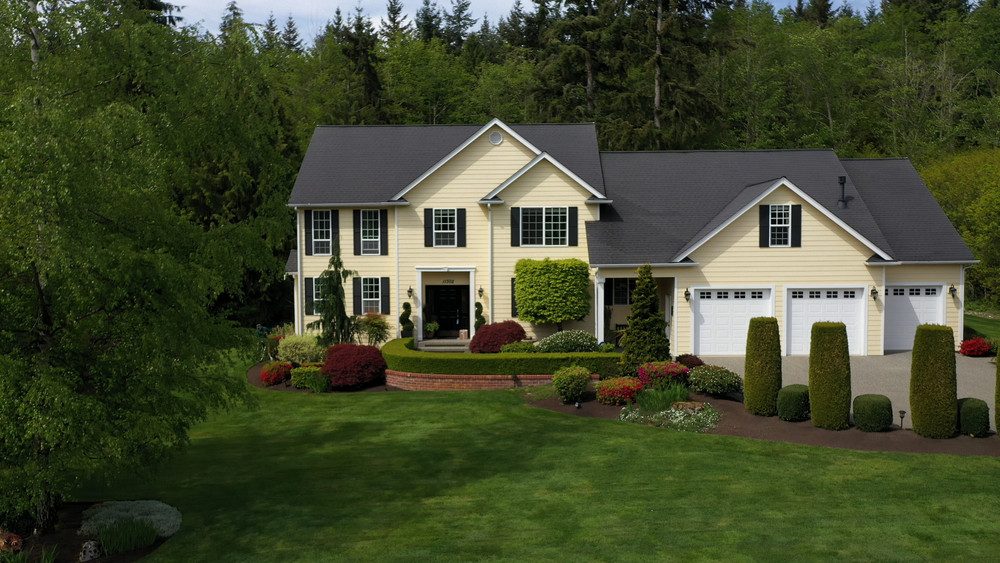
A retaining wall can do much more than enhance the appearance of your yard. When properly designed and installed, it helps prevent soil erosion, manages water runoff, creates usable outdoor living space, and improves your property’s overall functionality. Whether your home sits on a steep slope or you simply want to add structure to your landscaping, a retaining wall is an investment that can provide long-term benefits.
However, not all retaining walls are created equal. Their strength and longevity depend on proper planning, engineering, drainage, and construction techniques. Choosing professional installation helps ensure your retaining wall performs as intended while protecting both your property and your investment.
Proper Design Is Essential for Long-Term Performance
Retaining walls must withstand significant pressure from the soil they support. Without proper design, they may begin to lean, crack, or even fail over time. Drainage is another critical factor, as trapped water behind the wall can increase pressure and lead to structural problems.
Professional installers understand how to evaluate your property’s unique conditions before construction begins. They consider factors such as:
- Soil composition
- Slope and grade
- Drainage patterns
- Wall height
- Material selection
- Local building requirements
Taking these factors into account helps create a retaining wall that remains stable through changing weather conditions and years of use.
Professional planning also reduces the likelihood of expensive repairs caused by improper installation or poor drainage.
Taller Retaining Walls Require Specialized Expertise
As retaining walls become taller, they also become more complex. Larger walls experience greater lateral pressure from the surrounding soil, making engineering and structural planning increasingly important.
According to Bob Vila, retaining walls that exceed 4 feet in height should be engineered by professionals to ensure they can safely withstand the forces placed upon them.
Professional contractors understand when engineering is necessary and can work with qualified professionals to ensure the wall is designed according to accepted construction standards and local building codes. They also know when permits may be required, helping homeowners avoid compliance issues during construction.
Attempting to build a large retaining wall without the proper knowledge can result in structural failure, property damage, and costly repairs that far exceed the initial investment in professional installation.
Professional Installation Can Increase Property Value
A well-built retaining wall doesn’t just solve drainage or grading issues—it can also improve your home’s overall market appeal. Buyers often appreciate outdoor features that enhance both functionality and aesthetics, particularly when they create more usable yard space.
According to LawnStarter, retaining walls may increase a home’s value by as much as 15% while also helping properties sell more quickly. This makes them one of the landscaping improvements that can offer both immediate enjoyment and potential long-term financial benefits.
Professional installation plays an important role in protecting this investment. Clean construction, proper materials, and durable craftsmanship create an attractive finished product that complements the home’s overall appearance.
By contrast, a poorly built retaining wall may become an obvious concern during a home inspection, potentially discouraging buyers or leading to repair requests before closing.
Landscaping and Hardscaping Work Best Together
Retaining walls are often one part of a larger landscaping plan. Once installed, they can be paired with garden beds, decorative stone, lighting, patios, or walkways to create an attractive and functional outdoor environment.
Thoughtfully designed landscaping has long been recognized as a valuable home improvement project. According to HomeLight, homes with landscaping generally sell for 1% to 10% more than similar properties without landscaping.
When retaining walls are incorporated into an overall landscape design, they help create visual interest while addressing practical challenges such as slopes or uneven terrain. The result is an outdoor space that is easier to maintain, more enjoyable to use, and more appealing to future buyers.
Professional contractors can help ensure these elements work together seamlessly, creating a finished landscape that balances beauty with long-term durability.
Retaining walls are far more than decorative landscape features. They provide critical structural support, help control erosion and drainage, create usable outdoor spaces, and can even contribute to increased property value. Achieving these benefits, however, depends on proper planning and quality construction.
Working with experienced professionals helps ensure your retaining wall is designed for your property’s specific conditions, built to meet applicable requirements, and constructed to last for years to come. Whether you’re addressing a challenging slope or enhancing your landscape, professional retaining wall installation is an investment that supports both the beauty and functionality of your home.