
What Goes Into Creating a More Comfortable and Resilient Home
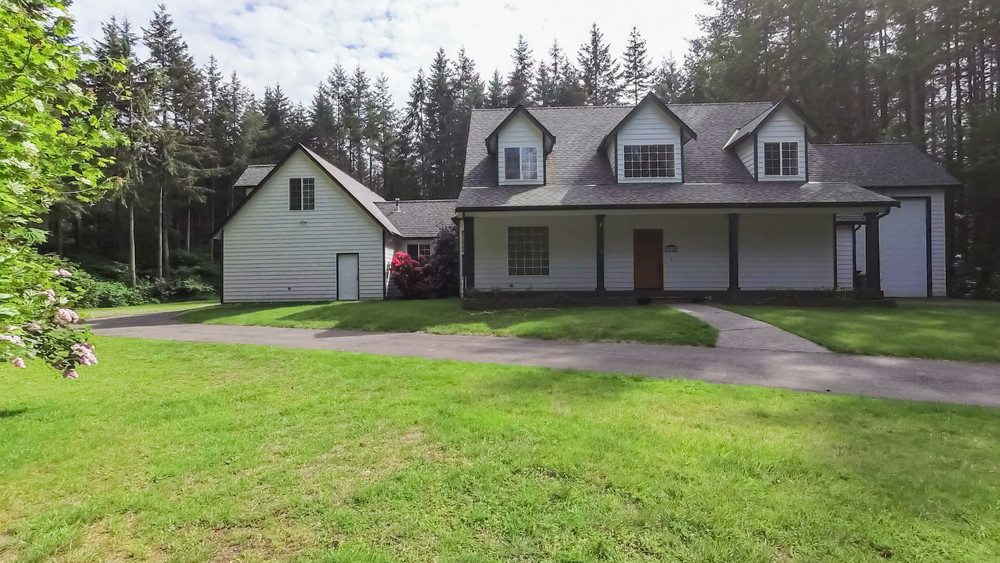
A comfortable and resilient home requires more than attractive furnishings and appealing design choices. Homeowners must also consider the systems, materials, and outdoor features that contribute to a property’s long-term functionality. From protecting the foundation against moisture to maintaining indoor temperatures and creating inviting outdoor spaces, thoughtful improvements can make a home more enjoyable and better prepared for changing conditions. In this article, we’ll explore several important elements that contribute to a comfortable, functional, and resilient living environment.
Protecting the Home From Moisture
A home’s resilience starts with protecting its structural components from potential damage. Moisture intrusion can affect basements, foundations, walls, and flooring, potentially leading to costly repairs if underlying problems go unaddressed. Basement waterproofing is one way homeowners can help manage water infiltration and protect areas below ground level.
According to Data Intelo, the global basement waterproofing system market was valued at $28.4 billion in 2025. This reflects the growing importance of moisture protection in residential and commercial properties. Depending on a home’s construction and surrounding conditions, waterproofing solutions may include drainage improvements, protective coatings, and systems designed to redirect water away from the foundation.
Maintaining Reliable Indoor Temperatures
Indoor comfort depends heavily on a home’s heating, ventilation, and air conditioning systems. These systems help regulate temperatures, manage airflow, and maintain a pleasant indoor environment throughout the year. Regular maintenance can also help homeowners identify developing issues before they interfere with everyday comfort.
According to Industry Research, nearly 54% of HVAC repair service calls are related to air conditioning systems. This highlights the importance of keeping cooling equipment in good working condition, particularly during warmer months. Replacing air filters, keeping outdoor equipment clear of debris, and scheduling professional inspections can help support consistent performance. Addressing unusual noises, inconsistent cooling, or reduced airflow promptly may also prevent smaller concerns from becoming more disruptive repairs.
Creating Functional and Inviting Outdoor Spaces
A resilient home should also provide outdoor areas that support relaxation, recreation, and everyday enjoyment. Landscaping, garden beds, shaded seating areas, and thoughtfully arranged walkways can make exterior spaces more functional while contributing to a property’s overall appearance.
Plants are particularly valuable additions to residential landscapes. According to Encyclopedia Britannica, flowering plants, known as angiosperms, first emerged during the Early Cretaceous period around 130 million years ago. Today, homeowners can choose from countless flowering varieties to introduce color, texture, and seasonal interest into their yards. Selecting plants suited to the local climate and available sunlight can help create a landscape that remains attractive without requiring excessive upkeep.
Improving Energy Efficiency and Everyday Functionality
Energy efficiency is another important consideration when creating a comfortable home. Insulation, properly sealed windows and doors, and efficient appliances can help reduce unnecessary energy consumption while supporting more consistent indoor temperatures. These improvements may also reduce the workload placed on heating and cooling equipment.
Homeowners can evaluate their properties for areas where energy escapes or where everyday systems could operate more efficiently. Simple upgrades, such as installing programmable thermostats, using energy-efficient lighting, and improving attic insulation, can contribute to a more functional living environment. Combining these improvements with routine maintenance helps support the performance of essential household systems.
Planning for Long-Term Home Resilience
Creating a resilient home involves looking beyond immediate repair needs and considering how different components work together. Foundation protection, reliable HVAC equipment, efficient utilities, and practical landscaping all contribute to a property’s overall condition. Establishing a maintenance schedule can help homeowners monitor these areas and prioritize improvements based on their property’s needs.
A comfortable and resilient home is the result of thoughtful planning, consistent maintenance, and improvements that support both indoor and outdoor living. By protecting structural components, maintaining essential systems, improving energy efficiency, and creating inviting landscapes, homeowners can make their properties more functional and enjoyable. Investing in these areas can also help preserve a home’s condition and prepare it for changing needs over time.