
Navigating Georgia’s Low-THC Oil Program: Finding Doctors and Dispensaries That Serve Patients Well
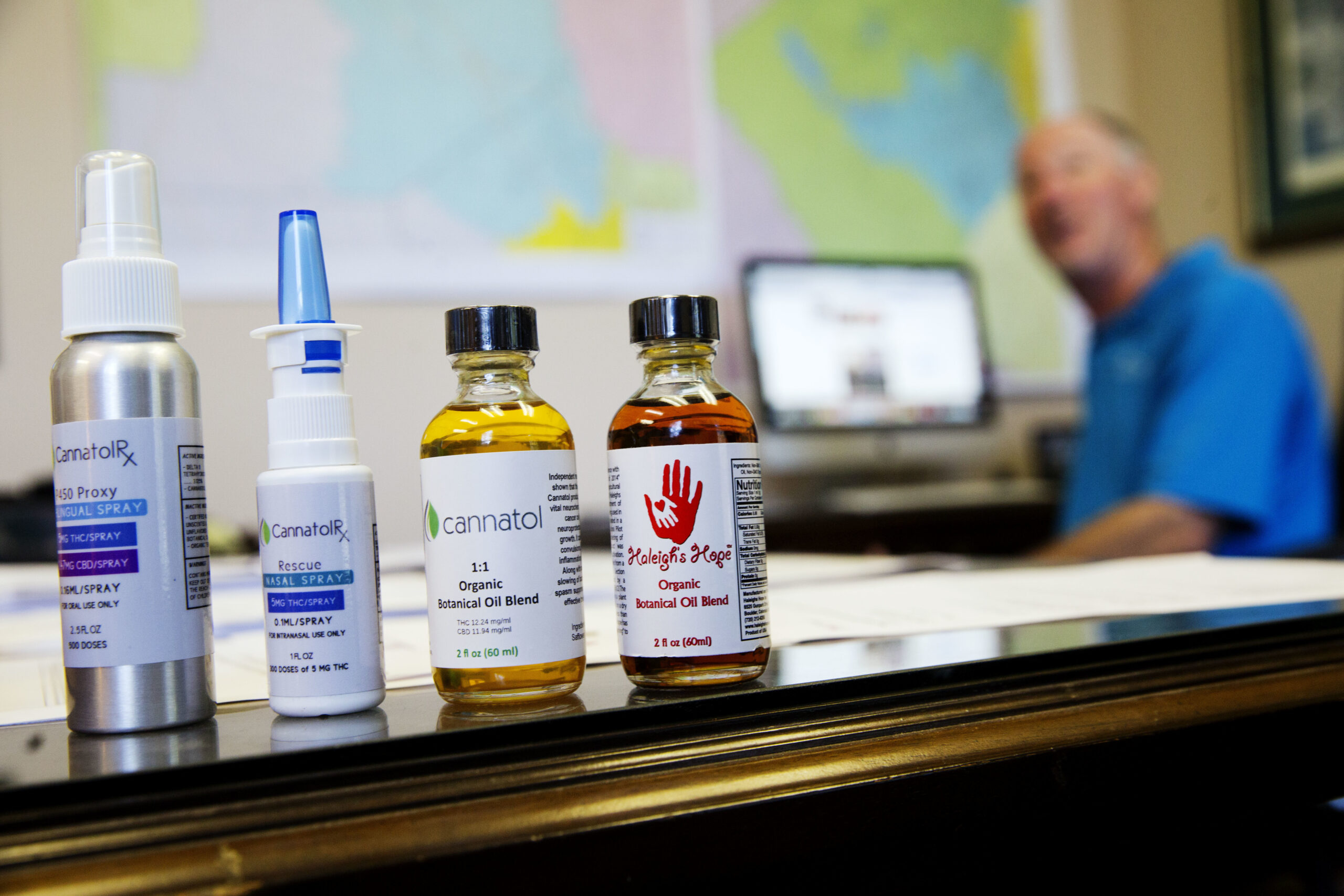
Georgia operates one of the most restrictive medical cannabis programs in the country. The state permits only low-THC oil containing no more than 5% THC by weight, a limitation that sets Georgia apart from the comprehensive programs found in most other medical marijuana states. For patients navigating this constrained landscape, finding the right physicians and dispensaries becomes especially important.
The limited nature of Georgia’s program means patients cannot afford missteps. Working with knowledgeable doctors who understand low-THC therapeutics and dispensaries that stock appropriate products makes the difference between effective treatment and frustrating disappointment.
Understanding Georgia’s Unique Limitations
Before discussing how to find doctors and dispensaries, patients must understand what Georgia’s program actually offers. This is not a typical medical marijuana state.
The 5% THC cap restricts available products to low-THC oil formulations only. Patients cannot purchase flower, concentrates, edibles, or the full range of products available in states with comprehensive programs. Everything must be oil-based and must fall within the THC limitation.
This restriction reflects the Georgia legislature’s cautious approach to cannabis. Lawmakers sought to provide relief for patients with severe conditions while maintaining tight controls. The resulting program serves some patients well while leaving others seeking more robust treatment options.
Patients expecting a cannabis experience similar to other states will find Georgia’s program inadequate for those expectations. However, patients whose conditions respond to low-THC formulations can find meaningful relief within the existing framework.
Why Your Doctor Choice Matters More in Georgia
In states with comprehensive medical marijuana programs, patients have room to experiment with different products and consumption methods. If one approach does not work, countless alternatives exist. The breadth of options provides a safety net for trial and error.
Georgia offers no such safety net. The narrow product range means patients must optimize their treatment within tight constraints. Physicians who understand low-THC therapeutics can guide patients toward effective approaches. Those who lack this expertise may leave patients struggling to find relief with limited tools.
Findinglow-THC oil doctors in Georgia who genuinely understand cannabis medicine requires some research. Not all registered physicians have deep knowledge of cannabinoid therapy. Some view certification as administrative paperwork rather than an opportunity to provide therapeutic guidance.
Patients should seek physicians who can discuss how low-THC oil might address their specific conditions, what outcomes to expect, how to dose appropriately, and how to evaluate whether treatment is working. These conversations indicate physicians who will partner in treatment rather than simply issue certifications.
Telemedicine has expanded access to knowledgeable physicians throughout Georgia. Patients in Atlanta, Savannah, Augusta, and rural communities across the state can connect with registered doctors through video consultations. This accessibility means geography no longer limits patients to whichever local doctors happen to be registered.
Questions to Ask Potential Physicians
Patients evaluating physicians for cannabis certification should ask questions that reveal expertise and engagement levels.
Ask about experience with your specific condition. Has the physician treated other patients with similar diagnoses using low-THC oil? What outcomes have those patients reported? Physicians with relevant experience can set realistic expectations and suggest approaches that have worked for others.
Ask about product recommendations. Which formulations might suit your condition and symptoms? Physicians who can discuss specific product types demonstrate deeper knowledge than those offering only generic advice.
Ask about dosing guidance. How should you start? How will you know if the dose is appropriate? What adjustments might be needed? Dosing matters enormously in cannabis therapy, and low-THC limitations make getting it right even more important.
Ask about follow-up support. Will the physician be available for questions after certification? Can you reach them if you need guidance adjusting your treatment? Ongoing support matters for optimizing outcomes over time.
Ask about the physician’s philosophy on cannabis medicine. Do they view it as legitimate therapy or merely a legal workaround? Physicians who believe in cannabis therapeutics typically provide better guidance than those who are skeptical but willing to certify patients anyway.
The Certification Process
Georgia’s certification process involves physicians registered with the state’s Low-THC Oil Registry. These doctors have completed required registration allowing them to certify patients for the program.
During certification consultations, physicians confirm that patients have qualifying conditions recognized by Georgia. The state maintains a specific list including seizure disorders, cancer, ALS, multiple sclerosis, Parkinson’s disease, Crohn’s disease, mitochondrial disease, sickle cell disease, Tourette syndrome, autism spectrum disorder, epidermolysis bullosa, Alzheimer’s disease, AIDS, peripheral neuropathy, hospice patients, intractable pain, and PTSD.
Physicians also assess whether low-THC oil therapy is appropriate given the patient’s overall health situation. Not every patient with a qualifying condition necessarily benefits from cannabis treatment. The physician’s role includes evaluating whether cannabis makes sense for each individual.
If certification is appropriate, physicians register patients in the state system. Patients then complete registration with the Georgia Department of Public Health, providing personal information and proof of residency. Once approved, patients receive their Low-THC Oil Registry Cards authorizing purchases from licensed dispensaries.
Navigating Georgia’s Dispensary Landscape
Georgia’s dispensary network developed slowly following years of regulatory delays. Patients now have access to licensed retail locations, though the network remains smaller than in states with longer-established or more comprehensive programs.
Georgia cannabis dispensaries stock products meeting the state’s low-THC oil requirements. Understanding what these dispensaries offer helps patients set appropriate expectations and make informed purchasing decisions.
Product selection focuses on oil-based formulations within the 5% THC limit. Patients typically find tinctures for sublingual administration, capsules for oral consumption, and sometimes topical preparations. Vaporizable oils may be available depending on dispensary inventory.
The limited product range means dispensary choice may come down to factors beyond selection. Location convenience, staff knowledge, pricing, and service quality differentiate dispensaries when product offerings are relatively similar.
Evaluating Dispensary Quality
Not all dispensaries provide equal patient experiences. Evaluating quality before committing to a primary dispensary helps patients find establishments that serve them well.
Staff knowledge matters significantly in Georgia’s constrained program. Employees who understand low-THC therapeutics can help patients navigate limited options effectively. Those who lack this knowledge may provide generic advice unhelpful for optimizing treatment within Georgia’s restrictions.
Ask dispensary staff about their training on low-THC products. Inquire about their experience helping patients with conditions similar to yours. Their responses indicate whether they can provide meaningful guidance or merely process transactions.
Product availability and consistency affect treatment continuity. Patients who find effective products need reliable access to maintain their treatment regimens. Ask dispensaries about their inventory stability and whether they notify patients when preferred products are in stock.
Pricing varies among Georgia dispensaries. While patients should not make decisions based solely on cost, understanding price differences helps with budgeting. The state’s limited competition may keep prices higher than more competitive markets, making price comparison worthwhile.
Service quality encompasses wait times, staff demeanor, facility cleanliness, and overall patient experience. Visiting dispensaries before committing to regular purchases helps patients evaluate these factors firsthand.
Making the Most of Limited Options
Georgia patients must extract maximum therapeutic value from restricted product options. This requires more intentional effort than patients in comprehensive programs might need.
Work closely with your certifying physician to identify optimal approaches within available constraints. Discuss which product forms might suit your condition best. Review dosing strategies appropriate for low-THC formulations. Establish plans for evaluating and adjusting treatment over time.
Communicate openly with dispensary staff about your treatment goals. Explain what you are trying to achieve and ask for recommendations within available inventory. Staff who understand your objectives can suggest products you might not have considered.
Track your experiences systematically. Note which products you try, how you dose them, and what effects you observe. This personal data helps identify what works and what does not, enabling increasingly refined treatment approaches despite limited options.
Stay informed about program developments. Georgia’s legislature has adjusted the program multiple times since its inception, and further changes remain possible. Following advocacy organizations and news coverage helps patients anticipate opportunities that program expansion might create.
Geographic Considerations
Georgia’s geography presents access challenges for some patients. The state spans nearly 60,000 square miles with population concentrated in metropolitan Atlanta and scattered among smaller cities and rural communities.
Patients in metro Atlanta typically have reasonable access to multiple dispensary locations. Those in rural areas may face significant drives to reach any dispensary. Understanding the geographic distribution of retail locations helps patients plan for access realities.
Delivery options may help patients who cannot easily travel to dispensaries. Some Georgia dispensaries offer delivery services bringing products directly to patients. This option particularly benefits patients with mobility limitations, transportation challenges, or conditions making travel difficult.
Telemedicine certification consultations eliminate geographic barriers for the physician component of treatment. Patients anywhere in Georgia can access registered doctors without traveling to their offices. This accessibility ensures that location does not prevent certification even if dispensary access remains challenging.
Setting Realistic Expectations
Georgia’s program serves patients whose conditions respond to low-THC formulations. It does not serve patients who need higher THC concentrations or different product forms for effective treatment.
Patients should enter the program with realistic expectations about what low-THC oil can and cannot do. Some conditions respond well to these products. Others require options Georgia does not permit.
Discussing expectations with physicians during certification helps patients understand whether the program can genuinely help their situations. Doctors who have treated similar patients can provide informed perspectives on likely outcomes.
Patients whose conditions do not respond adequately to available products face difficult choices. Some accept partial relief as better than nothing. Others explore whether neighboring states with more comprehensive programs might serve their needs. Georgia’s restrictions force these calculations in ways that patients in other states do not face.
The Value of Persistence
Finding the right doctor-dispensary combination in Georgia may require persistence that patients in other states do not need. The restricted nature of the program means fewer providers with deep expertise and fewer products to choose among.
Patients who encounter initial disappointments should not abandon the program entirely. Trying different physicians, exploring various dispensaries, and experimenting within available product options may eventually yield effective treatment approaches.
The patients who benefit most from Georgia’s program typically demonstrate willingness to work within constraints rather than fighting against them. They partner with knowledgeable physicians, communicate openly with dispensary staff, track their experiences carefully, and adjust their approaches based on results.
Georgia built a restricted program that serves a limited patient population effectively. Understanding those restrictions, finding providers who work well within them, and optimizing treatment despite constraints enables patients to extract value that the program can genuinely provide.
Looking Ahead
Georgia’s medical cannabis program may expand over time as attitudes shift and evidence accumulates. The current restrictions reflect political compromises rather than medical determinations of optimal treatment parameters.
Advocacy continues for higher THC limits, additional product forms, and broader access. Each legislative session brings new proposals, though progress has been incremental. Patients who maintain their registration contribute to the political constituency supporting program expansion.
For now, patients must work within existing limitations. Finding knowledgeable physicians and quality dispensaries maximizes the value available under current rules. Building relationships with these providers positions patients to benefit from whatever improvements eventually arrive.
Georgia may never match the comprehensive programs found in states like Colorado or California. But for patients whose conditions respond to what the state permits, the program provides legal access that did not exist before. Making the most of that access requires finding the right partners in treatment.

