
What Makes a Trading Platform Suitable for Different Experience Levels?
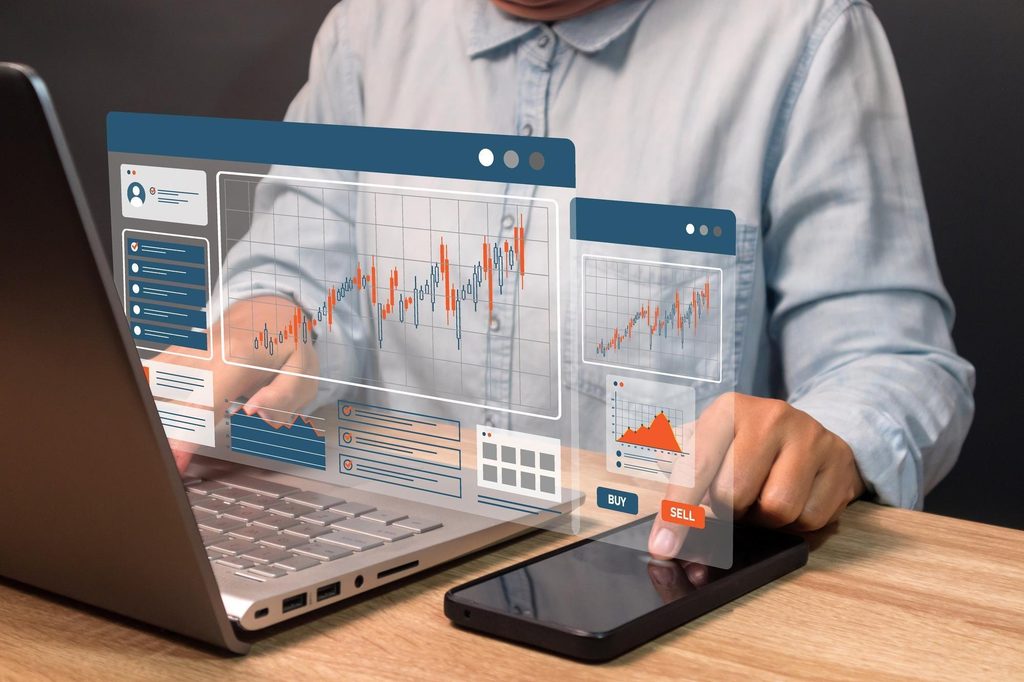
A trading platform helps users access financial markets, analyse prices and manage transactions. However, the features suitable for a beginner may differ from those needed by an experienced trader. New users often need simple navigation and educational resources, while experienced traders may prefer advanced charts, technical indicators and flexible order options.
When comparing the best online trading platforms, users should consider their experience, trading objectives, available tools, fees and risk management features. A suitable platform should support their current knowledge while allowing them to develop their understanding of financial markets over time.
1. Simple Navigation for Beginners
Beginners often find financial terminology and trading functions confusing. A platform with a clear layout can make it easier to understand account balances, market prices, open positions and order placement.
Useful features include straightforward menus, clear transaction records, accessible customer support and explanations of common trading terms. Mobile compatibility can also help users monitor their accounts when away from their computers.
A simple interface does not necessarily mean limited functionality. Ideally, users should be able to start with basic features and explore advanced options as their knowledge improves.
2. Educational Resources and Demo Accounts
Learning resources can help new traders understand market movements, order types and financial terminology before committing real money. Platforms may offer tutorials, trading guides, frequently asked questions and market updates.
Demo accounts are particularly useful because they allow users to practise using virtual funds. Beginners can learn how to place orders, monitor positions and test basic strategies without immediately risking their savings.
However, simulated trading does not fully reproduce the emotional pressure and execution conditions of live markets. Demo results should therefore be treated as practice rather than evidence of guaranteed future profits.
3. Analytical Tools for Intermediate Traders
As traders gain experience, they may need more detailed tools to evaluate price movements and compare strategies. Charts, technical indicators and price alerts can support a more structured approach to market analysis.
Moving averages help identify potential trends, while the Relative Strength Index (RSI) is commonly used to assess price momentum. Traders can also compare different timeframes to examine short-term movements alongside longer-term trends.
Other useful features include pending orders, historical price data and stop-loss settings. These tools can help users plan trades rather than making decisions based entirely on sudden price changes.
However, technical indicators rely on historical data and cannot predict market movements with certainty. Traders should understand their limitations before incorporating them into a strategy.
4. Advanced Features for Experienced Traders
Experienced traders may require greater flexibility in analysing markets and executing orders. Depending on their strategies, they might look for customisable charts, multiple watchlists, advanced order types or compatibility with specialised trading software.
Some traders also use automated strategies or backtesting tools to examine how a trading approach would have performed using historical data. These features can support research, but historical results do not guarantee future performance.
Platform compatibility is another consideration. MetaTrader 5, for example, offers charting and trading functions used by many market participants. Its availability and supported instruments depend on the provider.
More features do not automatically make a platform better. Traders should choose tools that support their methods without introducing unnecessary complexity.
5. Access to Different Financial Markets
A platform’s available markets should match the user’s interests and understanding. Forex involves trading currency pairs, while stock markets provide access to company shares. Commodities include assets such as gold and oil, and indices track groups of securities. Cryptocurrency markets are known for substantial price fluctuations.
Users should understand the difference between owning an asset and speculating on its price. For example, a contract for difference (CFD) allows traders to speculate on price movements without owning the underlying asset.
CFDs can involve leverage, which magnifies both gains and losses. Before trading, users should check the available instruments, trading hours, spreads, commissions and other applicable charges.
6. Risk Management Tools
Risk management matters at every experience level. A stop-loss order is designed to close a position at a specified price, while a take-profit order can close it when a chosen target is reached. Price alerts can also notify users when an instrument reaches a particular level.
These tools help traders follow a plan, but they cannot eliminate risk. During volatile market conditions, orders may execute at prices different from those requested.
Beginners should learn about position sizing and decide how much they can afford to lose before placing a trade. Experienced traders should continue reviewing their exposure rather than assuming that market knowledge makes every transaction safe.
Leverage deserves particular attention because it allows traders to control larger positions with less capital. Depending on the product and account terms, losses can accumulate quickly. Users should understand margin requirements and potential liabilities before using leveraged products.
7. Fees, Security and Regulation
Trading costs can affect results over time. Depending on the account and instrument, charges may include spreads, commissions, overnight financing and currency conversion fees. A platform advertising zero commissions may still involve other costs, so users should review its pricing information carefully.
Security and regulatory status are equally important. Before opening an account, traders should identify the legal entity operating the service, verify its licence with the relevant regulator and check whether it is authorised to serve residents of their country.
Users should also review deposit and withdrawal procedures, client protections and available complaint channels. Regulatory requirements and protections can differ across jurisdictions.
8. Choosing a Platform That Matches Your Needs
The most suitable platform depends on a person’s objectives and current abilities. Beginners may prioritise simple navigation and learning resources, while intermediate traders may need analytical tools and performance tracking. Experienced traders may place greater importance on chart customisation, order management and software compatibility.
Comparing these features against personal requirements is more useful than choosing a platform solely because it is popular. Traders should also remember that technology cannot replace research, discipline or sound risk management.
Conclusion
A suitable trading platform should match the user’s experience, preferred markets, analytical needs and understanding of risk. Comparing available features, fees, security measures and regulatory information can help users evaluate different trading brokers before making a decision.
Baazex is an online trading brand operated by BAZ Capital Markets Ltd. Its website states that the company holds a Securities Dealer’s Licence issued by the Financial Services Authority of Seychelles under licence number SD134. The platform describes access to CFDs across forex, cryptocurrencies, stocks, indices, commodities and ETFs, with options including its mobile application, WebTrader and MetaTrader 5. Prospective users should review the company’s legal disclosures, service terms and risk warnings to determine whether its offerings are appropriate for their circumstances.
